 Tamil Nadu
 Karnataka
 Kerala

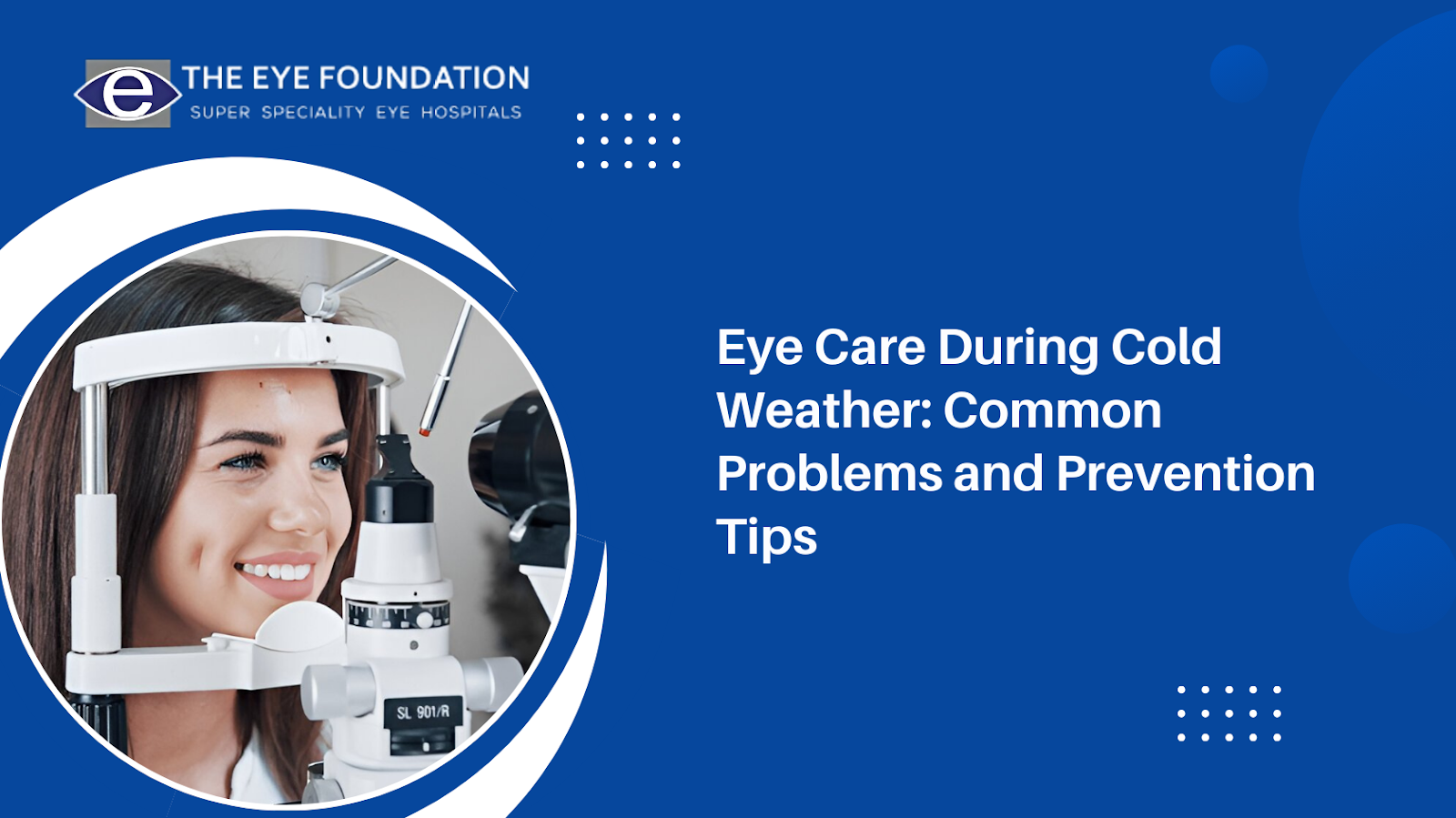
Cold weather brings relief from extreme heat, but it can also create a range of eye-related problems if proper care is not taken. Changes in temperature, dry air, increased wind exposure, and indoor heating systems all affect eye health during winter months. Practicing effective cold weather eye care is essential to prevent irritation, infections, and long-term discomfort. At The Eye Foundation, expert ophthalmologists provide comprehensive eye care and guidance to help protect your vision during the winter season.
This article explains common eye problems during cold weather and shares practical prevention tips to help you maintain healthy vision throughout the season.
Why Cold Weather Affects Eye Health
During colder months, humidity levels drop significantly. Outdoor cold winds and indoor heaters reduce moisture in the air, leading to dryness of the eyes. In addition, people tend to spend more time indoors using screens, which further strains the eyes. Pollution, dust, and allergens also become concentrated in dry air, increasing the risk of eye irritation.
Without proper cold weather eye care, these factors can worsen existing eye conditions and trigger new problems.
Common Eye Problems in Cold Weather

Dry Eye Syndrome
Dry eye is one of the most common problems during winter. Cold air and indoor heating reduce the tear film that keeps eyes moist. Symptoms include burning sensation, redness, itching, foreign body sensation, and blurred vision.
People who work long hours on computers, wear contact lenses, or have existing eye conditions are more prone to dry eyes during cold weather.
Eye Irritation and Redness
Cold winds and exposure to dust and pollutants can irritate the eyes. This often leads to redness, watering, itching, and a gritty feeling. Rubbing the eyes can worsen the irritation and increase the risk of infection.
Allergic Conjunctivitis
Although allergies are commonly associated with summer, cold weather can also trigger allergic reactions. Indoor allergens such as dust mites, mold, and pet dander increase during winter when homes are closed and ventilation is limited. This may cause itching, redness, watering, and swelling of the eyes.
Increased Sensitivity to Light
Cold weather can increase light sensitivity, especially when sunlight reflects off fog, mist, or lighter surfaces. People with dry eyes or post-surgical eyes may feel discomfort when exposed to bright light.
Increased Risk of Eye Infections
Cold weather weakens the immune response in some individuals. Combined with frequent eye touching and rubbing, this increases the risk of infections such as conjunctivitis (pink eye). Sharing towels, handkerchiefs, or eye makeup further raises this risk.
Prevention Tips for Cold Weather Eye Care
Keep Your Eyes Moist
Using lubricating eye drops (artificial tears) helps maintain moisture and prevents dryness. Preservative-free drops are recommended for regular use, especially for people with chronic dry eye.
Blink frequently, especially while using digital devices, to keep your eyes naturally lubricated.
Protect Your Eyes from Cold Wind
Wearing sunglasses or protective eyewear outdoors helps shield your eyes from cold winds, dust, and pollution. Wraparound sunglasses provide better protection by reducing airflow directly into the eyes.
Maintain Indoor Humidity
Indoor heating dries out the air, worsening eye dryness. Using a humidifier at home or in the office helps maintain moisture levels and supports better cold weather eye care.
Placing bowls of water near heat sources can also help increase humidity naturally.
Reduce Screen Time Strain
Extended screen time during winter increases eye strain and dryness. Follow the 20-20-20 rule: every 20 minutes, look at something 20 feet away for 20 seconds. Adjust screen brightness and maintain proper viewing distance.
Avoid Rubbing Your Eyes
Rubbing your eyes can damage the delicate surface and introduce bacteria, increasing infection risk. If your eyes itch, use prescribed eye drops instead of rubbing.
Practice Good Eye Hygiene
Wash your hands frequently, especially before touching your eyes. Avoid sharing towels, pillows, eye cosmetics, or contact lens cases. Clean contact lenses properly and reduce lens wearing time if dryness increases.
Stay Hydrated and Eat Eye-Healthy Foods
Proper hydration supports tear production. Drink adequate water even if you don’t feel thirsty in cold weather. Include foods rich in omega-3 fatty acids, vitamins A, C, and E, and zinc, such as fish, nuts, leafy greens, carrots, and citrus fruits.
Get Regular Eye Check-Ups
If you experience persistent dryness, redness, pain, or blurred vision, consult an eye specialist. Regular eye check-ups help detect underlying conditions early and ensure appropriate cold weather eye care.
When to See an Eye Doctor
Seek medical attention if you notice severe pain, sudden vision changes, excessive discharge, swelling, or symptoms that do not improve with basic care. These could indicate infections or other serious eye conditions requiring professional treatment.
Cold weather may seem harmless, but it can significantly affect eye health if precautions are ignored. Practicing proper cold weather eye care helps prevent dryness, irritation, infections, and discomfort during winter months. Simple habits such as protecting your eyes from wind, maintaining moisture, reducing screen strain, and maintaining hygiene can go a long way in keeping your eyes healthy. If you experience persistent discomfort or vision changes, book an eye care appointment to receive timely diagnosis and expert treatment.
Prioritizing eye care during cold weather ensures clear vision, comfort, and long-term eye health throughout the season.