 Tamil Nadu
 Karnataka
 Kerala


Do’s & Don’ts for Eye Health During the Summer Months The season of summer encourages people to take vacations while they enjoy outdoor activities and bask in sunlight. Our eyes often get disregarded as we spend time in the warm summer weather. Summer heat combined with elevated UV ray exposure and environmental elements such as dust and pollution produce adverse effects on our vision. The protection of your eyes from discomfort requires that you follow specific preventative measures. This guide provides complete instructions about what to do and what not to do when protecting your eyes from summer hazards. Follow these summer eye care tips to keep your vision safe.

Do’s for Eye Health
1. Wear UV-Protected Sunglasses
Ultraviolet (UV) rays from the sun create eye damage that causes cataracts together with macular degeneration and additional eye conditions. Wear sunglasses with 100% UV protection always when you leave your home to protect your eyes. Polarized lenses offer two advantages: they minimize glare while enhancing vision comfort.
2. Stay Hydrated
Stay Hydrated Dry eyes combined with irritation and discomfort are dehydration effects on the eyes. The constant consumption of water during the day preserves eye moisture which avoids dryness. The use of artificial tears serves as an effective method to reduce dryness for people who stay in air-conditioned areas. Summer eye care tips include drinking plenty of water to maintain eye hydration.
3. Use Protective Eyewear
People who participate in swimming, biking or hiking need to protect their eyes with proper eyewear. Eye protection in the form of goggles shields your eyes from chlorine exposure and saltwater contact as well as bacterial agents when you swim. Sports glasses together with wraparound sunglasses protect your eyes from dust particles and debris and direct sunlight.
4. Eat a Nutritious Diet
Eat a Nutritious Diet The foods you eat throughout the day strongly affect the health of your eyes. Your eyes benefit from foods containing vitamins A, C, and E and omega-3 fatty acids since these substances help prevent eye diseases while enhancing vision quality. Introduce leafy greens, carrots, citrus fruits, nuts, and salmon fish into your daily meals. Following summer eye care tips like eating a nutrient-rich diet can protect your vision.
5. Follow the 20-20-20 Rule
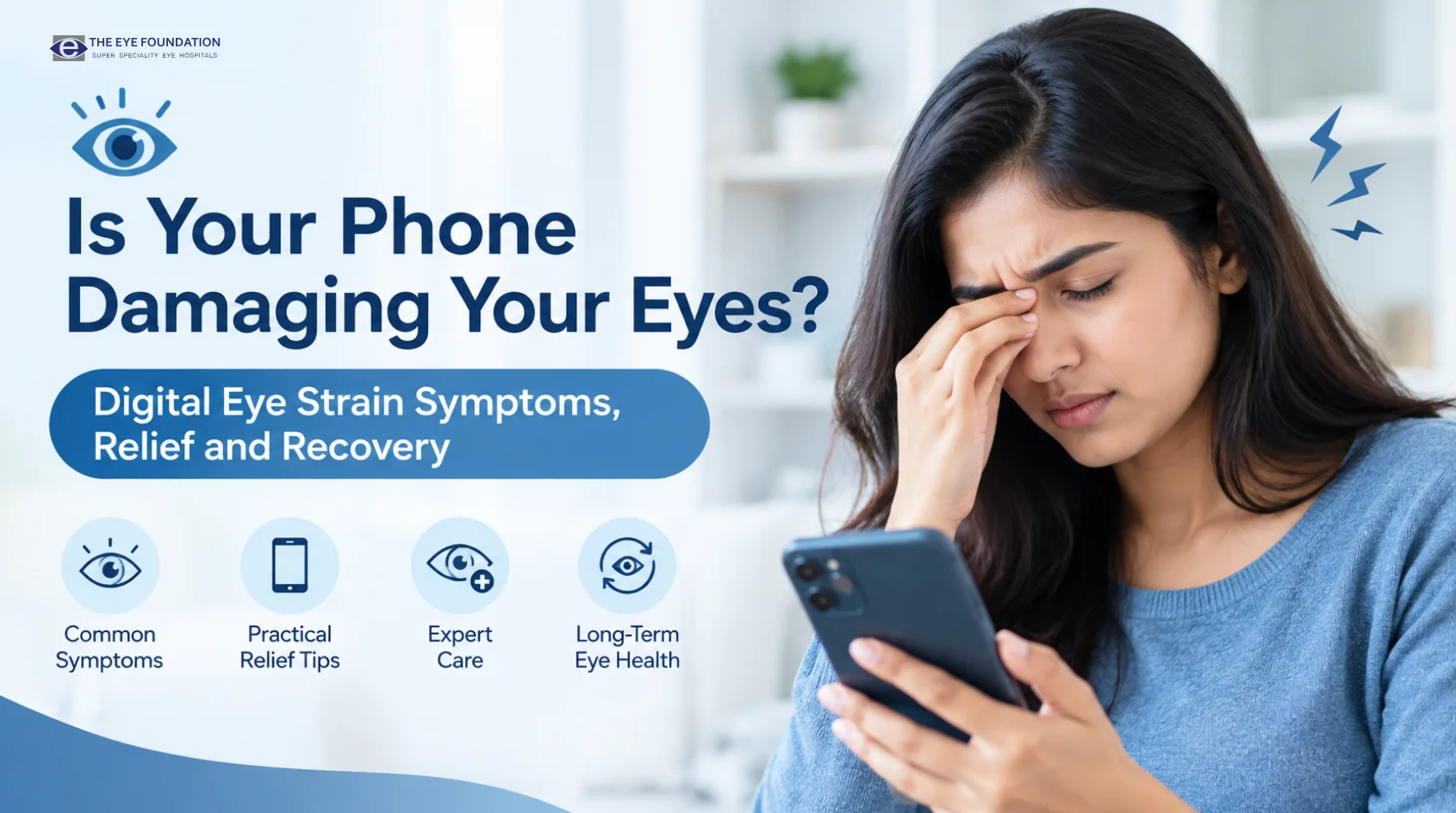
Digital eye strain develops as a frequent problem because students spend more time looking at screens during summer breaks. The 20-20-20 rule provides relief from eye fatigue by requiring you to stop work for 20 seconds every 20 minutes to view something located 20 feet from your screen. A quick 20-second break to look at something 20 feet away forms a simple preventive measure against eye dryness and strain.
6. Wash Your Hands Frequently
Wash Your Hands Frequently Your hands continuously encounter germs as well as dust and allergens throughout daily activities. Eye infections develop when you touch your eyes with unwashed hands because they carry bacteria. Washing your hands becomes a routine practice that you should perform frequently before handling your eyes or contact lenses. Summer eye care tips suggest keeping your hands clean to prevent infections.
Don’ts for Eye Health
1. Avoid Direct Sun Exposure
The sun should never be viewed directly regardless of wearing sunglasses. Exposure to direct sunlight for extended periods will harm the retina leading to permanent vision complications. Long outdoor activities require wearing both a wide-brimmed hat and sunglasses to shield your eyes from additional damage.
2. Don’t Rub Your Eyes
Your natural reaction during eye irritant exposure is to rub your eyes. Eye Suffer from bacterial spread when rubbed because the action both intensifies discomfort and creates small injuries. The proper method to alleviate eye discomfort involves washing your eyes with clean water or using lubricating eye drops.
3. Avoid Overuse of Contact Lenses
Eye dryness and infections along with redness develop when people wear contact lenses for long durations under hot dry conditions. The recommended wearing duration for contact lenses should be followed and you should clean your lenses correctly while occasionally wearing glasses to rest your eyes.
4. Don’t Ignore Eye Redness or Irritation
Eye symptoms including redness alongside itchiness or watery appearance may indicate allergies or infections or result from too much exposure to sunlight. Continuing symptoms require you to skip self-administered medicine and visit an eye specialist for accurate diagnosis followed by proper treatment.
5. Skip Harsh Eye Makeup
The hot summer conditions make your makeup melt which can flow into your eyes to create both discomfort and infections. You should dispose of eye makeup that has expired or is of poor quality while also cleaning your eyes free of makeup before sleeping to maintain their health.
6. Don’t Forget Regular Eye Checkups
Eye conditions tend to evolve slowly before they start showing symptoms after reaching certain stages of progression. Eye checkups on a regular basis enable early problem detection which helps prevent complications from happening. You should consult an eye specialist whenever you experience recurring headaches together with blurry vision or persistent eye discomfort.
Eye protection during summer requires equal attention to skin safety. The combination of simple safety guidelines will help you maintain eye health while enjoying sunny days. Your vision needs priority treatment through these protective habits to maintain comfortable eyes. Summer eye care tips ensure your eyes stay safe and healthy throughout the season.
Need expert eye care? Schedule your appointment at The Eye Foundation through our website right now.