 Tamil Nadu
 Karnataka
 Kerala

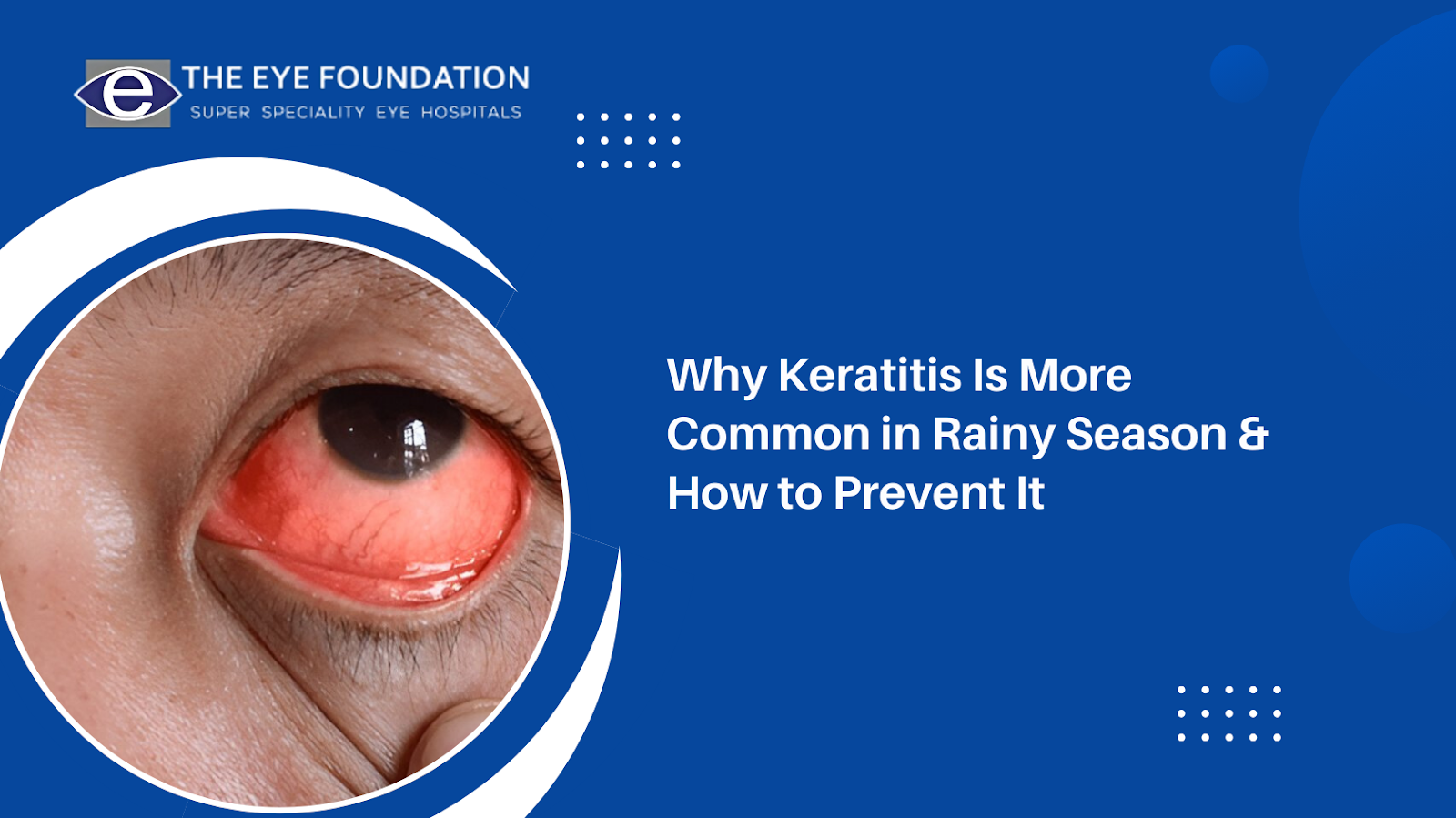
While the rainy season provides a welcome relief from the heat of summer, it also brings an increase in several infections, especially those involving the eyes. One of these infections, which is at its peak during the monsoon, is keratitis, an inflammation of the cornea. Patients frequently misdiagnose eye redness, irritation, or discharge (which are often signs of keratitis) as a "simple infection." If left undiagnosed, keratitis can become a more serious condition. Unfortunately, cases of Monsoon eye infection keratitis rise consistently each year due to high humidity, increased bacterial and fungal growth, and due to poor hygiene practices during wet weather.
In this article, we will describe why keratitis becomes a more commonly reported infection in July, types of infections to be anticipating, symptoms that you should never ignore, and the most effective methods to protect your eyes.
What is Keratitis?
Keratitis is the inflammation or infection of the cornea, the clear, dome-shaped layer covering the front of the eyeball. There are two forms of keratitis including:
1. Infectious keratitis: sexually transmitted disease caused by bacteria, fungi, viruses or parasites.
2. Non-Infectious keratitis: associated with injury, dryness, contacts, or water exposure.
Keratitis can lead to corneal ulcers, scarring and possibly even permanent loss of vision, if left untreated. Therefore care of your eyes is paramount during these monsoon months.
Why is Keratitis Increasing During the Rainy Season?
1. High Humidity Provides Optimal Conditions for Germ Growing: The monsoon creates warm, moist environments, which provide better proliferation of bacteria, fungi and viruses. These microbes can easily enter the eye through:
- Contaminated hands
- Dirty contact lenses
- Splashing of rainwater
- Rubbing of the eyes using an unclean cloth or towel
This makes Monsoon eye infection keratitis much more prevalent and aggressive.
2. Rainwater Harbors Harmful Micro-organisms
Rainwater may appear pristine, however, it could also consist of:
- Dust particles
- Bacteria
- Fungal spores
- Chemical contaminants
- Micro-parasites such as Acanthamoeba
When rainwater strikes the eyes during commuting, when riding bikes, or when one is wiping the face with a wet handkerchief, the possibility of keratitis is substantially increased.
3. Contact Lens Wearers at High Risk
During the month of Monsoon, the chances of:
- Holding lenses in contaminated solution
- Wearing lenses with wet hands
- Wearing lenses when drenched in rain
- Neglecting lens hygiene to high levels.
This leads to Acanthamoeba keratitis which is often one of the more serious kinds of the disease.
4. Fungal Growth is Highest in Monsoon
Fungal keratitis is particularly prevalent during the rainy season, as fungus flourishes in moisture and people who work outdoors are more at risk due to contamination from soil and plants (farmers, construction workers, gardeners).

5. Viral Eye Infections Spread Easily in Wet Climate
Often when it is Monsoon weather, it leads to outbreaks of viral conjunctivitis (red eye). Viral infections, if not treated properly can cause the infection to travel to the cornea and create viral keratitis.Never Ignore These Signs Of Keratitis
If you have any of the following symptoms during monsoons, it is very important to see an eye specialist right away:
- Prolonged Redness
- Significant Eye Pain
- Excessive Tearing
- Blurry Vision
- Photophobia
- White or Grey Spots on Cornea
- Feeling that Something is in Your Eye
- Swollen Eyelids
- Trouble Opening the Eye
Assuring the eye is evaluated early is very important to avoid complications.
How To Prevent Keratitis During Monsoon
1. Avoid Getting Rain Water in Your Eyes
If you end up being caught in a rain storm:
- Avoid touching your eyes or rubbing your eyes
- When you arrive home- wash your face with clean water
- Utilize a clean towel that is completely dry
2. Strict Contact Lens Hygienics is a Must
If you wear contact lenses, you must be very deliberate and careful:
- Always wash hands prior to touching the contact lens
- Don't ever leave contact lenses in old solution
- Do not wear contact lenses in the rain or in a dusty environment
- Do not sleep with lenses
- Always replace cases
3. Keep Your Eyes Clean and Dry
- Moisture will enhance an infection. Avoid sharing towels, handkerchiefs or any eye liner/make up
- Do not share contact lens solution
4. Refrain from Self-Medicating
Any over-the-counter eye drops will worsen keratitis. Particularly drops containing steroids could result in permanent damage when used incorrectly or are not supervised.
5. Boost Eye Immunity
Eating a balanced diet will increase corneal health. Eat food with Vitamin A (carrots, spinach and pumpkin) omega 3 acidity (walnuts or flaxseed) and hydrating fruits such as cucumber, oranges and watermelon.
6. See an Eye Specialist as Soon as You Experience any Discomfort
Many patients experience symptoms and delay treatment thinking it is "just irritation". Keratitis advances rapidly. Early evaluation allows for the best possible preventive measures for complications (scarring, ulcers, loss of vision). If there is somehow any redness in your eye during these monsoon times, you should always seek the evaluation of an eye specialist.
When You Need Emergency Medical Care
If you experience:
- significant pain
- a change in vision all of a sudden
- noticing a whitish patch on the eye
- a contact lens wearer and suddenly discomfort occurs
- any of the symptoms progressively worsen within 24 hours
- it is possible that immediate treatment to your eye may save your eyesight.
Keratitis occurs with more frequency during the rainy season due to increased humidity, contamination associated from rainwater, increased fungus, and poor eye hygiene These simple preventive measures and medical hygiene can prevent serious outcomes if noticed. If you notice redness, irritation pain, or blurred vision occurring over the rainy season, don’t be ill advised to ignore it.
The Eye Foundation has expertly qualified ophthalmologists who are experienced and trained to diagnose and medically treat across the board types of keratitis with the latest care and detection process to give you the best options possible. Protect your eyes this rainy season, your vision matters.
Book Appointment | The Eye Foundation