 Tamil Nadu
 Karnataka
 Kerala

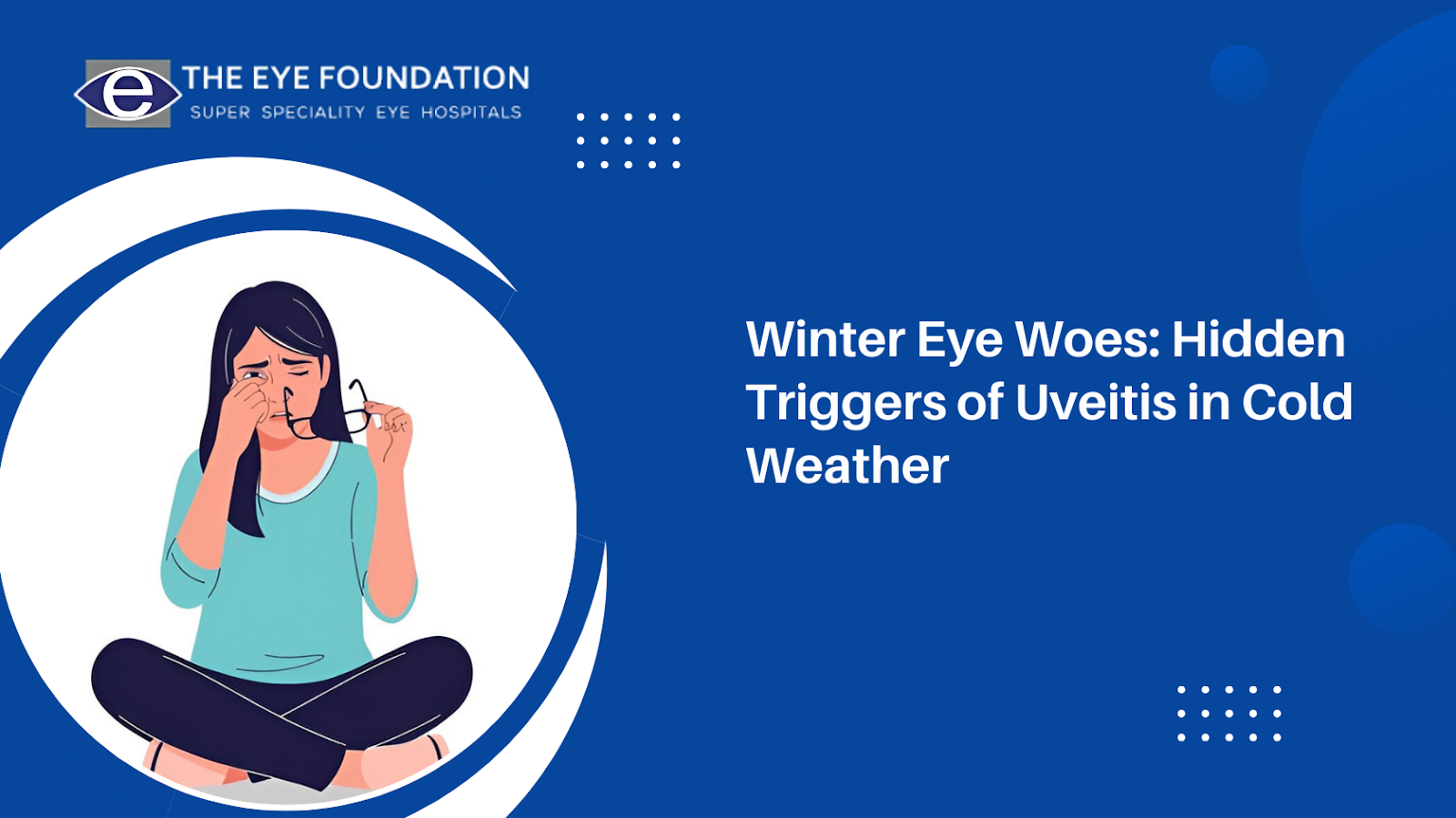
Winter brings pleasant weather, but it can also create challenges for eye health. Cold air, low humidity, and increased exposure to indoor heating systems can irritate the eyes and trigger inflammation. For people prone to eye conditions such as uveitis, winter can be a particularly sensitive period.
Practicing proper winter eye care is essential to protect vision and reduce the risk of discomfort and inflammation during the colder months.
How Winter Weather Affects Eye Health
During winter, the air becomes dry both outdoors and indoors. This dryness reduces tear production, causing irritation and increasing vulnerability to infections and inflammation. Sudden temperature changes from cold outdoor air to warm indoor environments—can also stress the eyes.
People with sensitive eyes or inflammatory conditions often experience worsening symptoms during this season, making preventive care especially important.
Understanding Uveitis and Its Triggers
Uveitis is an inflammatory condition affecting the middle layer of the eye (uvea). It can cause redness, pain, blurred vision, sensitivity to light, and eye discomfort. While uveitis can occur at any time of the year, winter conditions may increase the likelihood of flare-ups.
Common winter-related triggers include:
- Dry air leading to eye surface irritation
- Increased exposure to infections due to seasonal illnesses
- Reduced immunity during colder months
- Eye strain from prolonged indoor screen usage

Recognizing these triggers early helps in managing symptoms effectively.
Why Winter Eye Care Is Important for Uveitis
Consistent winter eye care helps maintain eye moisture, reduces irritation, and lowers the risk of inflammation. Ignoring early symptoms can lead to prolonged discomfort and may affect vision if left untreated.
Simple changes in daily habits and timely medical attention can significantly reduce the impact of seasonal triggers on eye health.
Winter Eye Care Tips to Reduce Uveitis Discomfort
To protect your eyes during winter, consider the following tips:
- Maintain adequate indoor humidity to prevent dryness
- Avoid direct exposure to cold winds and dry air
- Take regular breaks from screens to reduce eye strain
- Follow prescribed eye medications without interruption
- Schedule regular eye check-ups, especially if you have a history of eye inflammation
These steps support overall eye health and help prevent flare-ups during colder months.
When to Consult an Eye Specialist
If you experience persistent eye redness, pain, blurred vision, or light sensitivity, it is important to seek professional care. Early diagnosis and treatment of uveitis can prevent complications and protect long-term vision.
Delaying treatment may increase the risk of recurrent inflammation or vision loss.
Cold weather can quietly impact eye health, especially for individuals prone to inflammation. Practicing proper winter eye care and understanding uveitis triggers can help reduce discomfort and protect your vision throughout the season.
At The Eye Foundation, our experienced eye specialists provide advanced diagnosis and personalized treatment for uveitis and other eye conditions.
Book an appointment today to receive expert care and ensure your eyes stay healthy this winter.