 Tamil Nadu
 Karnataka
 Kerala


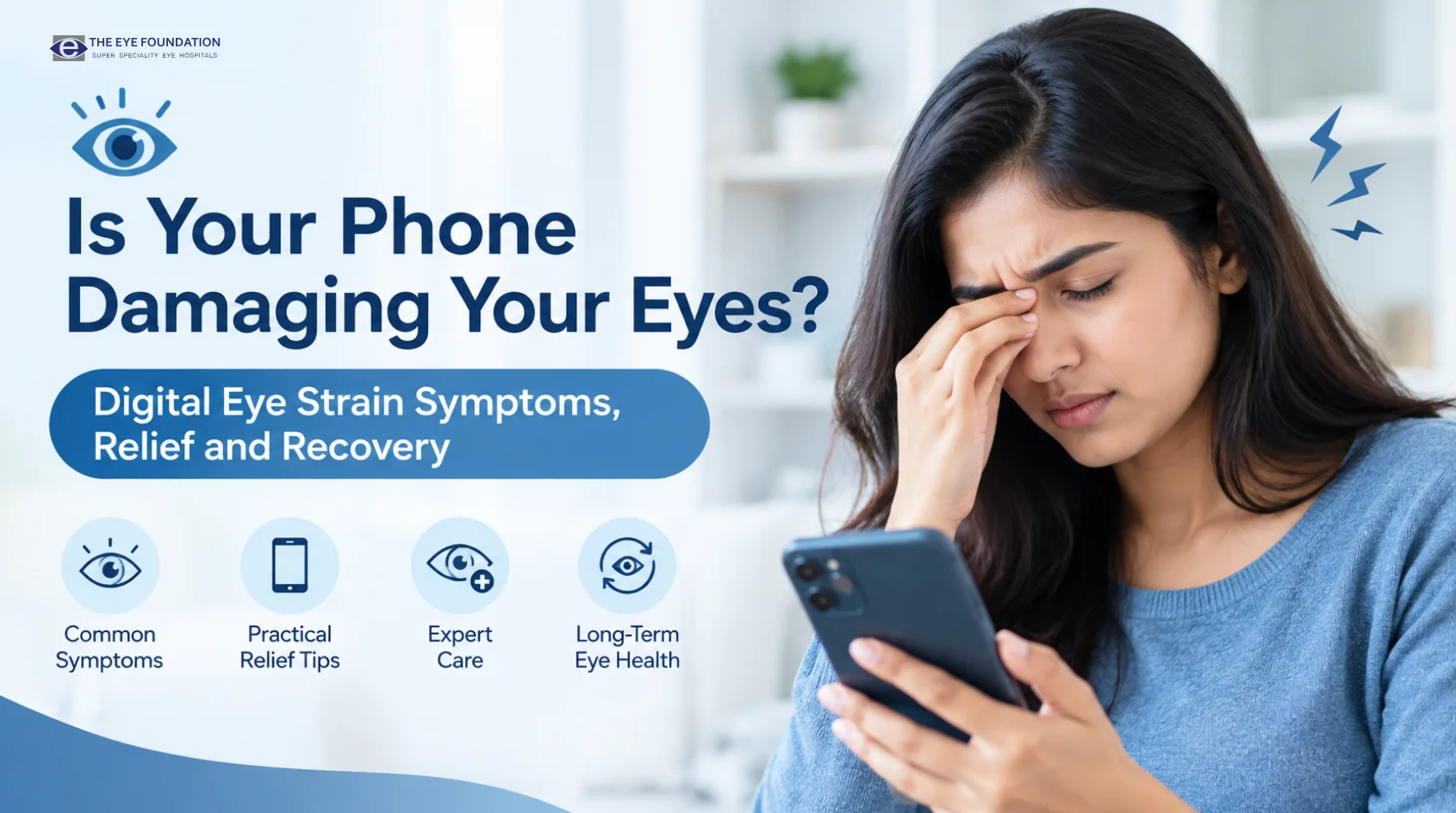
Winter brings cooler temperatures, dry air, and longer hours spent indoors—often in front of screens. While the season feels comfortable, it can quietly worsen a common digital-age problem: Computer Vision Syndrome in winter. Many people notice increased eye strain, dryness, headaches, and blurred vision during colder months without realizing that winter conditions play a major role.
Understanding how cold weather affects your eyes and screen habits can help you protect your vision and reduce discomfort.
What Is Computer Vision Syndrome?
Computer Vision Syndrome (CVS) refers to a group of eye and vision problems caused by prolonged use of digital devices such as computers, laptops, tablets, and smartphones. Symptoms often include eye strain, dry eyes, burning sensation, blurred vision, headaches, and neck or shoulder pain.
While CVS can occur year-round, Computer Vision Syndrome in winter tends to be more severe due to environmental and lifestyle changes unique to colder months.
Why Computer Vision Syndrome Gets Worse in Winter
1. Dry Air Reduces Natural Tear Production
Cold weather naturally lowers humidity levels. Indoor heating systems further dry out the air, causing tears to evaporate faster. When you stare at screens, your blink rate reduces significantly, leading to increased dryness and irritation. This combination makes Computer Vision Syndrome in winter more uncomfortable than usual.
2. Increased Screen Time Indoors
Winter encourages people to stay indoors longer. Work, entertainment, and social interaction often shift entirely to digital platforms. Extended screen exposure without proper breaks increases eye fatigue and visual stress.
3. Reduced Blinking During Screen Use
Normally, we blink about 15–20 times per minute. During screen use, this drops by nearly 50%. In winter, when tear evaporation is already high, reduced blinking worsens dryness and eye strain.
4. Glare from Artificial Lighting
Shorter daylight hours mean more dependence on artificial lighting. Improper lighting, reflections, and screen glare can force your eyes to work harder, aggravating symptoms of Computer Vision Syndrome in winter.
Common Symptoms to Watch For

People experiencing Computer Vision Syndrome during winter often report:
- Persistent eye strain or fatigue
- Dry, burning, or gritty sensation
- Red or watery eyes
- Blurred or double vision
- Headaches after screen use
- Difficulty focusing
- Neck and shoulder discomfort
Ignoring these symptoms can lead to long-term visual discomfort and reduced productivity.
How Winter Screen Habits Affect Eye Health
Prolonged Close-Up Focus
Working on laptops and mobile devices requires constant near focus. Without adequate breaks, the eye muscles remain strained, leading to fatigue.
Poor Indoor Air Quality
Heaters reduce moisture levels and can circulate dust and allergens, irritating the eyes and worsening CVS symptoms.
Inadequate Eye Care Awareness
Many people assume eye strain is normal during winter and delay professional evaluation, allowing symptoms to worsen.
Effective Ways to Manage Computer Vision Syndrome in Winter
Follow the 20-20-20 Rule
Every 20 minutes, look at something 20 feet away for at least 20 seconds. This simple habit relaxes eye muscles and reduces strain.
Maintain Proper Screen Position
Position your screen slightly below eye level and at an arm’s length distance. This reduces eye surface exposure and dryness.
Use Artificial Tears When Needed
Preservative-free lubricating eye drops help maintain moisture and relieve dryness caused by cold air and prolonged screen use.
Improve Indoor Humidity
Using a humidifier helps maintain moisture levels in indoor environments, reducing tear evaporation.
Adjust Lighting and Reduce Glare
Ensure balanced lighting, avoid harsh overhead lights, and use anti-glare screen filters when necessary.
Blink More Consciously
Make a conscious effort to blink fully and frequently while using screens, especially in winter.
When to See an Eye Specialist
If symptoms persist despite lifestyle changes, professional evaluation is essential. Persistent Computer Vision Syndrome in winter may indicate underlying dry eye disease, uncorrected vision problems, or digital eye strain that requires targeted treatment.
Early diagnosis helps prevent long-term discomfort and protects overall eye health.
Protect Your Eyes This Winter
Winter may feel gentle on the body, but it can be harsh on your eyes—especially in a screen-dependent lifestyle. Computer Vision Syndrome in winter is increasingly common, but with timely care, it is completely manageable.
If you experience ongoing eye strain, dryness, or blurred vision, don’t ignore the signs. The Eye Foundation offers expert eye care, advanced diagnostics, and personalized treatment plans to help you maintain comfortable, healthy vision throughout the winter season.
Book an appointment today with The Eye Foundation and give your eyes the care they deserve before digital strain turns into a long-term problem.