 Tamil Nadu
 Karnataka
 Kerala

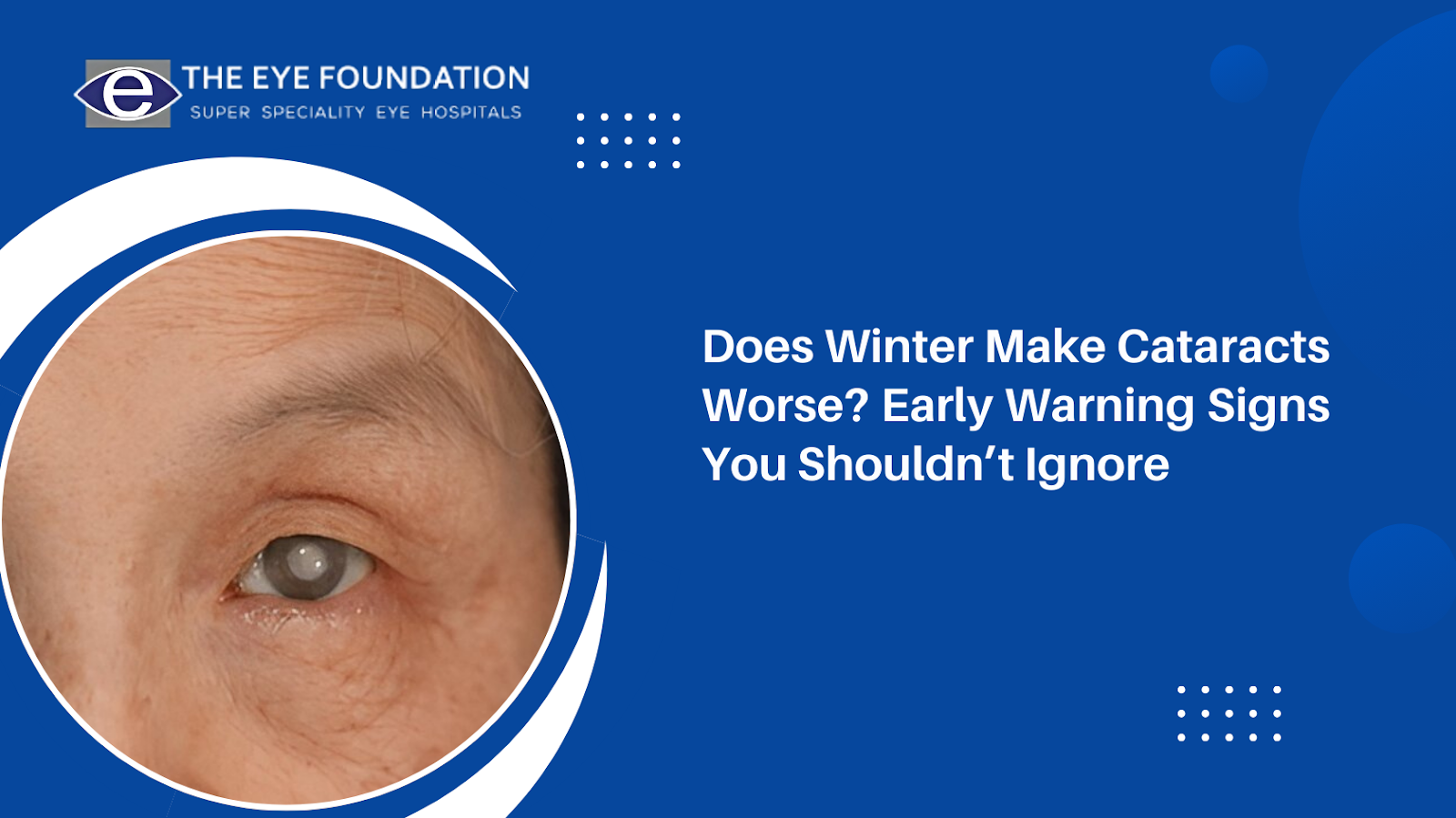
Winter may feel refreshing, but for many people especially older adults it can quietly affect eye health. Cold temperatures, dry air, and reduced sunlight exposure often make vision problems more noticeable. For individuals with cataract or those in the early stages of the condition, winter weather can highlight symptoms that may otherwise go unnoticed.
Understanding how seasonal changes impact vision can help identify problems early and prevent further discomfort.
How Winter Weather Affects Your Eyes
During winter, humidity levels drop significantly. Indoor heating systems further dry out the air, leading to reduced tear production and increased eye dryness. This dryness can cause irritation, blurred vision, and discomfort, especially in people with existing eye conditions.
Cold weather also changes how light reflects, with glare from fog, headlights, and low-angle sunlight becoming more intense. These environmental factors can make subtle vision changes more obvious.
What Are the Early Signs of Cataract?
Cataract develops gradually, and many people dismiss the initial symptoms as normal aging or temporary vision strain. However, winter conditions can make these early signs of cataract more noticeable, including:
- Blurry or cloudy vision, especially in cold or dry environments
- Increased sensitivity to glare from headlights or bright winter sunlight
- Difficulty seeing clearly at night or in low-light conditions
- Colors appear faded or less sharp.
- Frequent changes in spectacle or contact lens power

These symptoms may appear mild at first but tend to progress if left untreated.
Why Cataract Symptoms Feel Worse in Winter
Winter does not cause cataract, but it can amplify existing symptoms. Dry eyes reduce visual clarity, making cloudy vision more apparent. Increased glare during shorter days can further strain the eyes, while reduced blinking due to cold wind exposure worsens dryness.
People with early-stage cataract often notice that their vision fluctuates more during winter months, particularly when moving between cold outdoor air and warm indoor spaces.
When to See an Eye Specialist
If vision problems persist beyond a few days or interfere with daily activities such as reading, driving, or watching television, it is important to seek professional evaluation. Early diagnosis allows eye specialists to monitor cataract progression and recommend timely treatment options before vision is significantly affected.
Ignoring symptoms may lead to reduced quality of lif`e and increased difficulty performing routine tasks.
Protecting Your Eyes During Winter
While a cataract requires medical care, simple steps can help reduce discomfort during winter:
- Use protective eyewear to reduce glare
- Keep indoor air humidified.
- Avoid rubbing dry or irritated eyes.
- Maintain regular eye check-ups.
These measures can help manage symptoms, but should not replace professional eye examinations.
Winter weather can make vision changes more noticeable, helping reveal the early signs of cataract that might otherwise be overlooked. Paying attention to symptoms and seeking timely care is essential for maintaining clear and comfortable vision.
At The Eye Foundation, expert eye specialists provide advanced cataract evaluation and treatment using the latest technology to ensure safe and effective care.
Book an appointment today to protect your vision and receive expert guidance tailored to your eye health needs.