 Tamil Nadu
 Karnataka
 Kerala


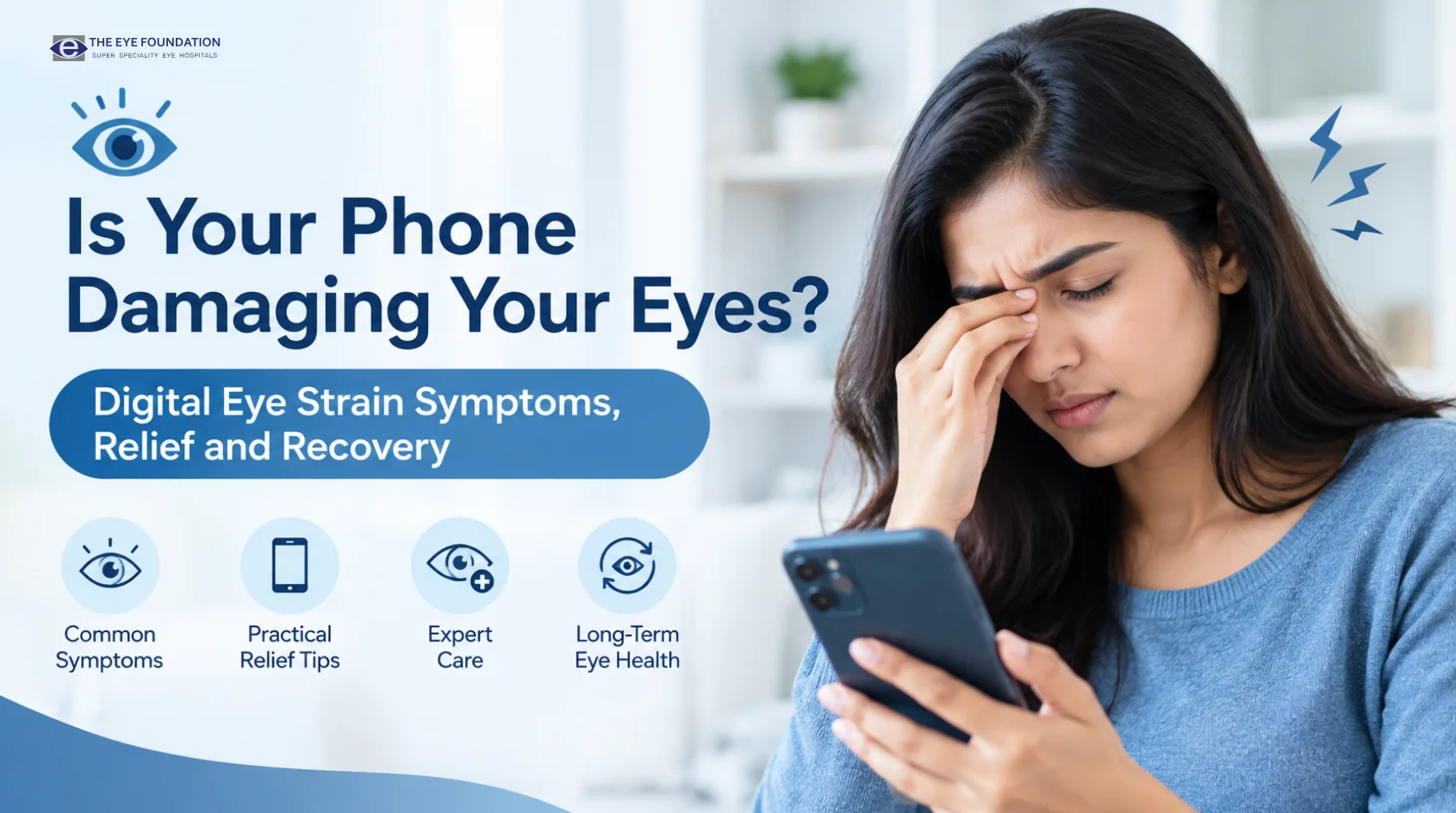
It’s important to take proper care of the eyes because eye problems like corneal sensitivity, dryness, and strain are more likely to occur with screen use and as people age. One of the most common questions asked is whether there is some exercise that can help to improve the cornea. The cornea is the clear outer layer of the eye that serves as the eye’s primary focusing element. While strengthening the cornea through exercise doesn’t happen as with muscles, there is a set of practices that will enhance the health of the eyes and may help support the cornea.
In this article, we will discuss the principles of the eye exercises, examine exercises for the improvement of the eyes’ function, and consider other factors that contribute to the corneal health.
Can the Cornea Be Strengthened with Exercise?
The cornea can not be strengthened in the same way that other muscles of the body can be, because the cornea does not contain muscular tissue. Nevertheless, several eye exercises are known to help in the flexibility and focus of the muscles around the cornea even though they do not directly help the cornea. Besides, making good eye health habits and maintaining sufficient eye moisture can relieve the corneas of the eyes and help those with corneal diseases like keratoconus or eyes that have been strained through constant computer or television viewing.
Specific Exercises for Eye Health

Below are some effective exercises that support eye health and may indirectly benefit the cornea:
1. Blinking Exercise
- How it Helps: Blinking aids in the production of tears and in the moistening of the eyes. This simple act is especially important now because with prolonged use of computers, tablets or smartphones, the eyes become dry and this puts much strain on the cornea.
- How to Do It: Try to blink your eyes every 4 seconds for 2 minutes. This can help with eye lubrication and reduce dryness which is good for the cornea,” Thus, this aspect of the invention can be helpful in preventing dryness of the eyes and in turn the cornea.
2. Focus Change Exercise
- How it Helps: This exercise helps in flexibility of the eye focus and may help to reduce the pressure that is placed on the cornea due to its inability to adjust to changing vision requirements.
- How to Do It: Take your right hand and bend your thumb and extend it a few inches away from your face. Concentrate on it, then try to look at an object that is ten to fifteen feet away from you. Switch between near and far focus ten times, perform it twice a day.
3. Palming Exercise
- How it Helps: Palming is used to relax the muscles of the eyes and this eliminates eye strain. This may be especially helpful in those who experience tension in the eyes.
- How to Do It: Make some warmth by rotating your hands and then put them over the closed eyes. To overcome the eye stress, concentrate on the darkness for about 2-3 minutes.
4. Eye Rolling
- How it Helps: Rolling the eyes may help to improve the blood flow around the eyes and this is healthy for the muscles of the eyes.
- How to Do It: Move your eyes in circles around your head in clockwise manner five times, then in counter clockwise manner. It is recommended to perform this exercise twice in the day for the best results.
5. Near and Distant Focus Exercise
- How it Helps: Switching between close and distant objects helps to improve eye flexibility and indirectly decrease the pressure on the cornea.
- How to Do It: Stare at an object at a distance of about 10- 15 feet for some few seconds then switch to focus on an object that is closer than the first object. Repetition should take about 5 minutes each day.
Additional Tips for Supporting Corneal Health
In addition to exercises, there are several habits and lifestyle changes that can support your corneal health:
- Stay Hydrated: Staying well hydrated is important because it reduces the likelihood of dry eyes which can interfere with corneal health.
- Eat Nutrient-Rich Foods: Omega-3 fatty acids, antioxidants, and vitamins A, C, and E are good for the eyes, and foods containing these will be suitable for consumption.
- Use Eye Drops: These artificial tears may help to keep the eyes lubricated and shield the cornea from the effects of dryness, wind, etc.
- Take Regular Screen Breaks: The 20-20-20 rule is to look at an object 20 feet away for 20 seconds every 20 minutes. This helps to minimize the fatigue or irritation of the eyes and the surrounding skin.
- Wear Sunglasses: UV protected sunglasses are useful in protecting the eyes from rays that can cause corneal damage.
Can These Exercises Help with Corneal Conditions?
It would be possible for the individuals with corneal diseases including keratoconus to benefit from these exercises although not directly. Although exercises do not build up the cornea directly, they will keep the eyes flexible, reduce the chances of eye strain and keep the eyes from becoming more dry which is good for the eyes. In any case of any specific eye related diseases or when it comes to the cornea, it is advisable to seek the services of an eye doctor.
When to Seek Professional Advice
If you have some of the symptoms such as prolonged eye strain, dryness or blurred vision among others, you may need to consult a doctor. An eye specialist will be able to give specific advice, proper treatment solutions, and dietary tips to safeguard your corneal and entire eye health.
Conclusion
The cornea cannot be strengthened in the way one might strengthen a muscle but there are some eye exercises that can help with the overall health of the eye and decrease the pressure on the cornea. Performing these exercises daily along with proper diet, adequate sleep, and taking care of eyes can help greatly in preventing the damage of cornea.
For more specific treatment and professional consultation on eyes, Visit The Eye Foundation and Book an Appointment with one of our Ophthalmologists today.