 Tamil Nadu
 Karnataka
 Kerala

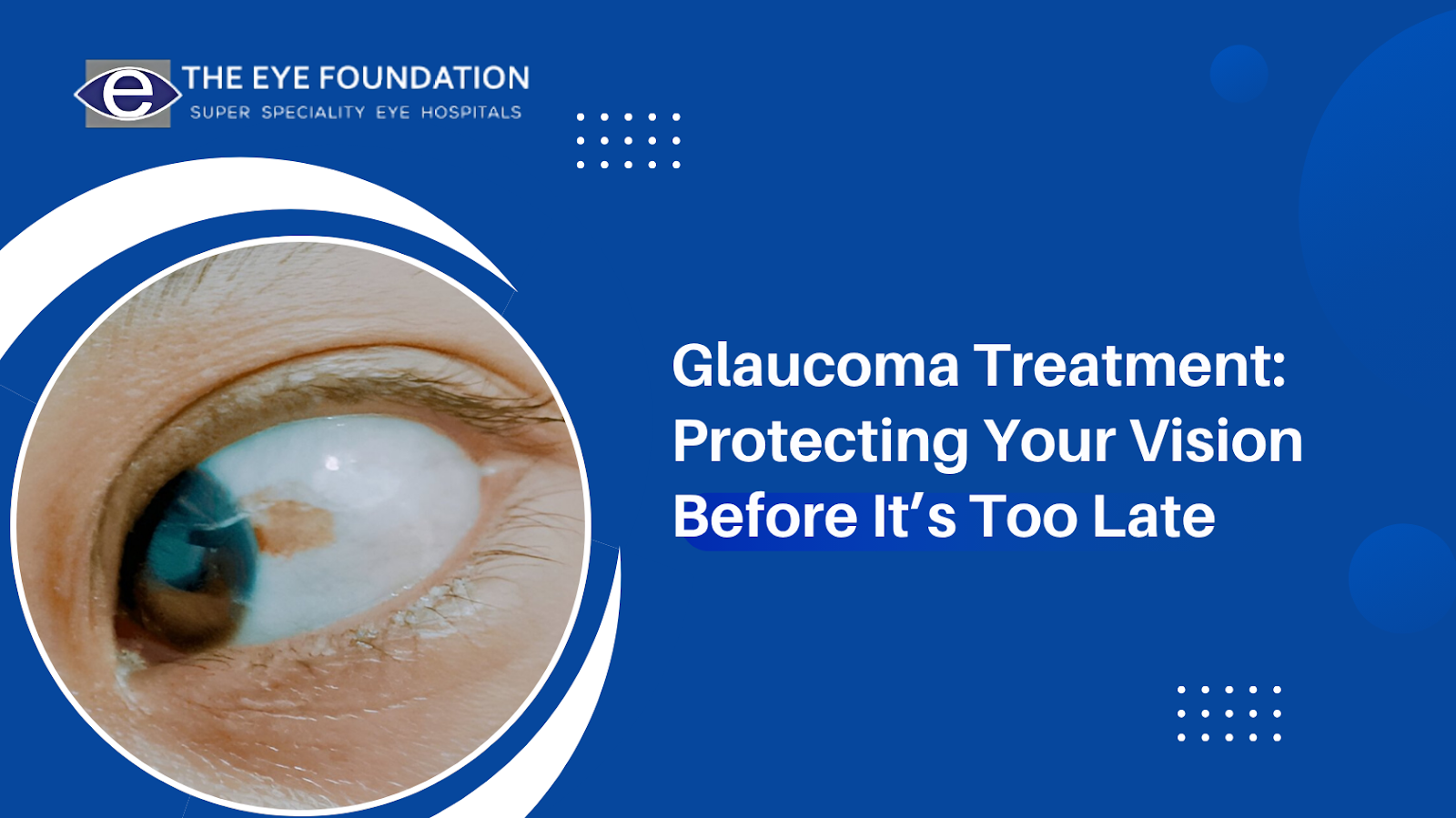
Few eye conditions are as damaging as glaucoma. It is often referred to as the "silent thief of sight," because glaucoma can progress, even for years without the person noticing the symptoms, until they have lost a substantial amount of vision; however, with successful and timely glaucoma treatment, you can keep your eyesight and life quality.
In this guide, we will discuss what glaucoma is, the importance of early detection, and treatment options that are available today to care for your vision.
What Is Glaucoma?
Glaucoma is not one disease. It is a multitude of eye conditions that damage the optic nerve - the bridge between your eye and your brain. Some forms of glaucoma are caused by high pressure in the eye (high intraocular pressure, IOP). Over time, the elevated pressure damages the optic nerve fibers - leading to irreversible gradual vision loss. If not treated medically, glaucoma will continue to lead to vision loss, eventually culminating in complete blindness.
Key facts about glaucoma:
- It is the second leading cause of blindness worldwide.
- Over 70 million people globally suffer from glaucoma.
- Many cases go undiagnosed because early-stage glaucoma often presents no symptoms.
The Importance of Early Detection
The biggest challenge with glaucoma is its stealthy nature. Many people don't realize they have it until their peripheral vision starts narrowing. By this stage, some degree of optic nerve damage has already occurred.
This is why early diagnosis and proactive glaucoma treatment are absolutely critical.
Regular comprehensive eye exams l especially after age 40 or if you have risk factors can help detect glaucoma early and start treatment before significant vision loss occurs.
Risk factors include:
- Age over 40
- Family history of glaucoma
- High intraocular pressure
- Diabetes
- Thin corneas
- Long-term steroid use
- Severe nearsightedness
If you fall into any of these categories, talk to your eye doctor about more frequent glaucoma screenings.
How Glaucoma Is Diagnosed
Diagnosing glaucoma involves several painless tests during a comprehensive eye examination:
- Tonometry measures intraocular pressure.
- Ophthalmoscopy examines the shape and color of the optic nerve.
- Perimetry (Visual Field Test) checks for peripheral vision loss.
- Pachymetry measures corneal thickness.
- Gonioscopy examines the drainage angle of the eye.
By combining these tests, your ophthalmologist can detect glaucoma early and determine its severity.
Glaucoma Treatment Options
While glaucoma presents many challenges, one of its biggest challenges is how insidiously it can affect different people. Most people do not realize they have glaucoma until their peripheral vision narrows; by then it has unfortunately already caused some degree of optic nerve damage.
This is why prompt diagnosis and early treatment for glaucoma are imperative.
1. Eye Drops
Prescription eye drops are typically the first line of treatment. They work by either reducing fluid production in the eye or improving its drainage, thereby lowering IOP.
Common types of glaucoma eye drops include:
- Prostaglandin analogs
- Beta-blockers
- Alpha agonists
- Carbonic anhydrase inhibitors
- Rho kinase inhibitors
Using these medications consistently is key. Your doctor will guide you on the right combination and frequency.
2. Oral Medications
In some cases, oral medications may be prescribed to supplement eye drops and further reduce eye pressure. Carbonic anhydrase inhibitors in pill form can be effective but may have systemic side effects, so they are usually used for short-term management.
3. Laser Therapy
Laser treatments can enhance fluid drainage from the eye:
- Laser Trabeculoplasty improves drainage in open-angle glaucoma.
- Laser Iridotomy creates a small hole in the iris to improve fluid flow in angle-closure glaucoma.
- Cyclophotocoagulation reduces fluid production by targeting the ciliary body.
Laser procedures are typically performed as outpatient procedures with minimal discomfort.
4. Surgery
If medications and laser therapy are insufficient, surgical intervention may be required.
Common glaucoma surgeries include:
- Trabeculectomy creates a new drainage pathway to lower eye pressure.
- Glaucoma Drainage Implants implants small devices to help drain fluid.
- Minimally Invasive Glaucoma Surgery (MIGS) uses tiny devices and less invasive techniques to lower pressure with fewer risks.
Surgery is often recommended for advanced cases or when other treatments fail to control IOP effectively.

Lifestyle Tips for Glaucoma Management
In addition to medical treatment, certain lifestyle habits can support your eye health:
- Stick to your treatment plan, never skip eye drops or medications.
- Attend regular eye check-ups to monitor IOP and optic nerve health.
- Exercising regularly moderate aerobic exercise may lower eye pressure.
- Avoiding inverted yoga poses can temporarily increase eye pressure.
- Eat a balanced diet rich in leafy greens, fish, and antioxidants.
- Manage stress and anxiety can affect eye pressure in some individuals.
Protect Your Vision Today
The Eye Foundation can help provide advanced glaucoma diagnosis, individualised glaucoma treatment plans, and caring support, helping thousands of patients with their eye health.
If you or a loved one have or suspect they have glaucoma, or have not had an eye exam for several years, do not delay. Call today to book an appointment with our dedicated and experienced ophthalmologists at The Eye Foundation because protecting your vision starts by making the first step.