 Tamil Nadu
 Karnataka
 Kerala

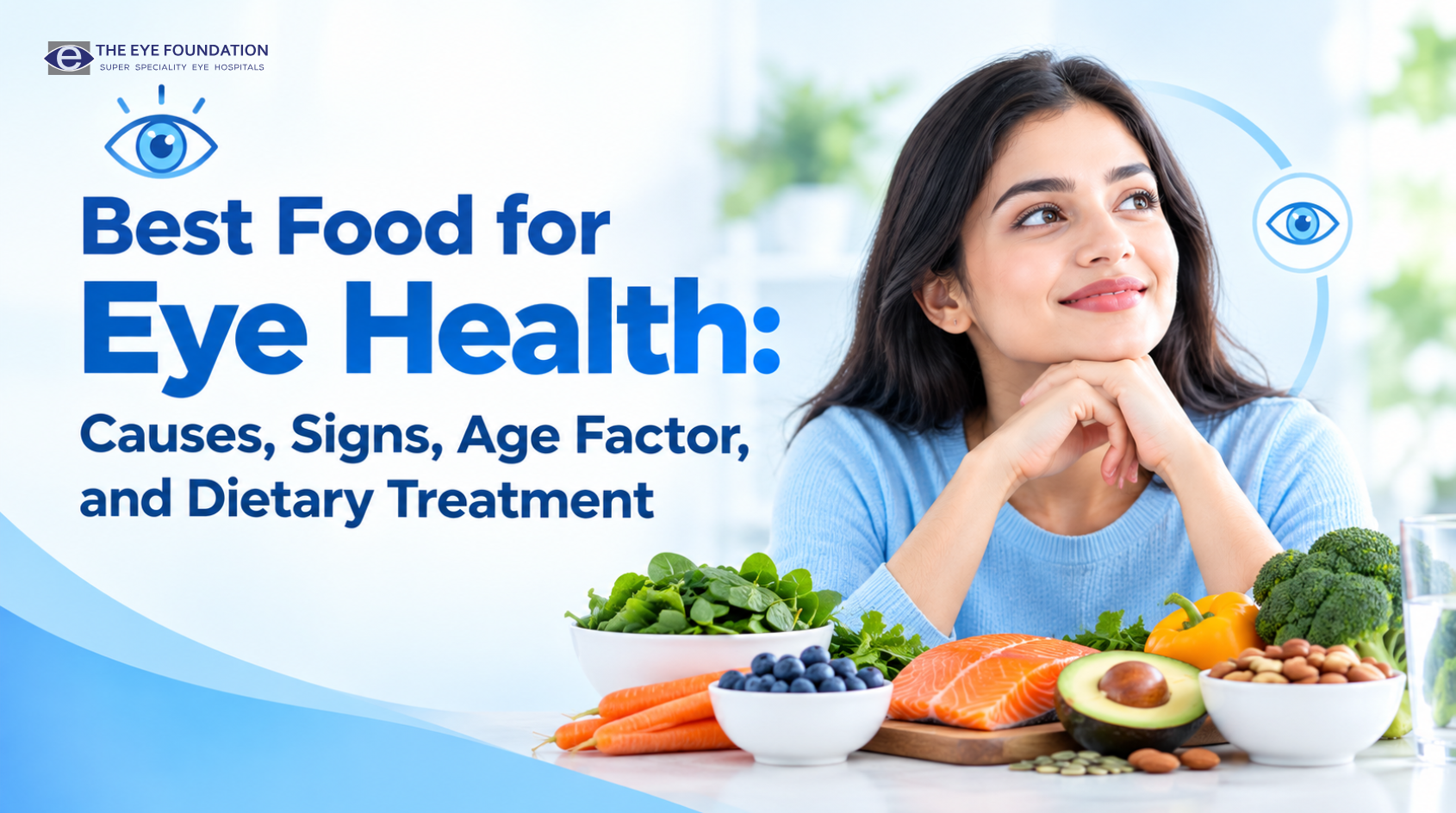
Good nutrition plays a critical role in maintaining healthy eyesight throughout life. While regular eye check-ups and proper screen habits matter, what you eat has a direct impact on how well your eyes function, how quickly they age, and how resistant they are to common conditions like cataracts, macular degeneration, and dry eyes. This article looks at why nutritional gaps affect the eyes, the visible signs of poor eye nutrition, how dietary needs change with age, and the best food for eye health at every stage of life. Unlike many aspects of eye care that need a clinic visit, dietary changes are something anyone can start today, making this one of the most accessible ways to protect long-term vision.
The Role of Hydration
Alongside solid food, water intake plays a quiet but important role in eye health. The eyes rely on a stable tear film to stay lubricated and to flush out irritants; even mild, everyday dehydration can thin this tear film and mimic the discomfort of dry eye disease. Pairing good hydration habits with the best food for eye health gives the eyes both the raw nutrients and the fluid balance they need to function comfortably throughout the day.
Causes Why Diet Affects Eye Health
The eyes are among the most metabolically active organs in the body and require a steady supply of specific nutrients vitamin A, vitamin C, vitamin E, zinc, omega-3 fatty acids, lutein, and zeaxanthin to function properly and repair daily wear. A diet low in these nutrients, combined with modern factors like processed food consumption, excessive sugar intake, and reduced intake of leafy greens and fish, is a major contributor to early eye fatigue, dryness, and a higher long-term risk of conditions such as cataracts and age-related macular degeneration.
Smoking and excessive alcohol consumption further deplete antioxidant levels needed for eye health, compounding the effects of a poor diet. Urban lifestyles that lean heavily on packaged and fried foods, combined with low water intake, are increasingly linked to earlier onset of nutrition-related eye issues which is exactly why identifying the best food for eye health and building it into daily meals matters more today than ever.
Signs of Poor Eye Nutrition
| Sign | Possible Nutrient Link |
| Night blindness | Vitamin A deficiency |
| Dry, itchy eyes | Omega-3 fatty acid deficiency |
| Frequent eye infections | Vitamin C / Zinc deficiency |
| Blurred or declining vision | Lutein / Zeaxanthin deficiency |
| Yellowish spots near the cornea | Cholesterol / fat metabolism issues |
| Slow healing around the eye area | Zinc deficiency |
Recognizing these early signs can help you adjust your diet and prioritize the best food for eye health before nutritional gaps progress into more serious eye conditions that are harder to reverse.
Age Factor
Nutritional needs for eye health change significantly with age. Children and teenagers need adequate vitamin A and omega-3s to support healthy visual development. Adults in their 20s and 30s, especially those with high screen exposure, benefit from lutein and zeaxanthin-rich foods to reduce digital eye strain and protect the retina from blue-light exposure.
From the 40s onward, the risk of cataracts and macular degeneration rises, making antioxidant-rich foods vitamin C, vitamin E, and zinc increasingly important. Older adults, particularly those above 60, are advised to focus on a diet that supports the nutrients highlighted in the AREDS (Age-Related Eye Disease Study) formula, since this age group faces the highest risk of vision loss from macular degeneration. At every one of these stages, the best food for eye health simply shifts emphasis rather than changing entirely.
Best Food for Eye Health (Treatment Through Diet)
The best food for eye health includes a variety of nutrient-dense options that are easy to build into everyday meals:
• Carrots, sweet potatoes, and pumpkin rich in vitamin A / beta-carotene
• Leafy greens like spinach and kale high in lutein and zeaxanthin
• Fatty fish such as salmon, mackerel, and sardines excellent sources of omega-3 fatty acids• Citrus fruits, berries, and bell peppers rich in vitamin C
• Nuts and seeds such as almonds and sunflower seeds good sources of vitamin E
• Eggs contain both lutein and zinc
• Legumes and whole grains provide zinc and fiber that support overall eye metabolism

A Simple Day of Eye-Healthy Eating
Breakfast: eggs with sautéed spinach, and a glass of citrus juice. Lunch: grilled salmon with mixed greens and a side of sweet potato. Snack: a small handful of almonds and sunflower seeds. Dinner: a vegetable curry with bell peppers, carrots, and whole grains. A day structured this way brings together nearly all of the best food for eye health in one simple, repeatable routine.
Prevention and Lifestyle Tips
Along with choosing the best food for eye health, staying well hydrated, limiting processed sugar, avoiding smoking, and maintaining a healthy body weight all contribute to long-term eye wellness. Regular physical activity also improves blood circulation to the eyes, supporting better nutrient delivery to eye tissue.
Foods That Can Work Against Eye Health
Just as important as knowing the best food for eye health is knowing what to limit. Diets high in refined sugar and trans fats have been linked to a faster progression of diabetic retinopathy and cataracts, since they contribute to inflammation and blood vessel damage that directly affects the retina. Excessive sodium intake can worsen fluid retention around the eyes, while very low water intake reduces the eyes' ability to maintain a healthy tear film. Replacing fried snacks and sugary beverages with the nutrient-dense options described above is often a bigger step toward eye wellness than adding a single standalone superfood to an otherwise poor diet.
A well-balanced diet rich in vitamins, antioxidants, and omega-3 fatty acids is one of the simplest and most effective ways to protect your eyes at every age. Including the best food for eye health in your daily meals, alongside routine eye check-ups, can significantly reduce the risk of long-term vision problems.