 Tamil Nadu
 Karnataka
 Kerala


As an IT employee, you probably spend a lot of time in front of screens—coding, managing databases, troubleshooting, and joining virtual meetings. Technology has certainly changed the way we work, but also created new challenges for our health and our eyes specifically. Excessive screen time can cause digital eye strain, fatigue and even long-term vision problems. And that's how taking care of your eyes at an early stage can protect you from chronic issues. In this blog, we explain why eye care is important for IT professionals and how you can take care of your vision.
Why Eye Care Is Crucial for IT Employees
Due to the nature of their work, IT employees are one of the highest at-risk professionals for eye-related problems. Besides, the constant usage of the screen also leads to a range of problems like digital eye strain, dry eyes, blurred vision, headaches, etc. In fact, research indicates that 60-90% of adults who work with digital devices regularly report experiencing some form of visual discomfort.
Eye care should be a priority for IT employees and here are a few reasons why.
1. Prevention of Digital Eye Strain
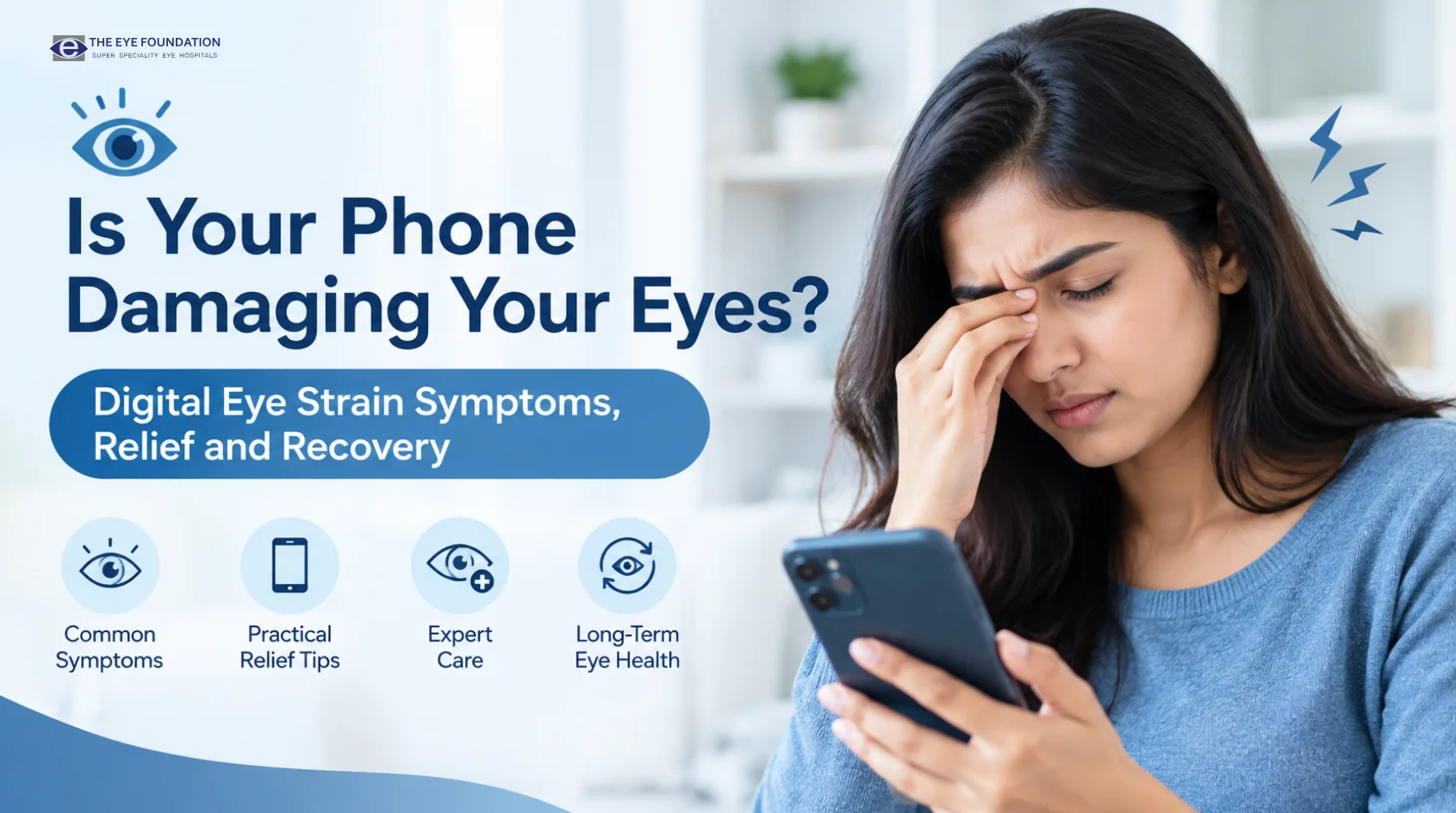
If you spend a lot of time in front of screens, digital eye strain (also called computer vision syndrome) is one of the most common eye problems you may face. With symptoms that include dry eyes, headaches, blurred vision and neck or back pain. However, there are some measures you can take, such as adjusting the brightness of your screen, implementing the 20-20-20 rule, and ensuring your posture is correct, to lower the risk of suffering from digital eye strain.
2. Protecting Vision from Long-Term Damage
While staring at a screen for long periods won’t directly cause new vision issues, it will speed up the process of developing existing ones. By having a lack of proper eye care, IT employees may go on to develop myopia (short-sightedness) or other refractive errors over time. Preventive eye care from an early age helps to ensure that vision issues are identified and addressed before they become more serious.
3. Improving Productivity and Comfort
Dryness and strain can reduce productivity due to eye discomfort. When your eyes irritate, you are likely fatigued and properly focusing on tasks will be difficult. Regular eye care, like using lubricating drops or making adjustments to your workspace, can lead to greater comfort and help you stay at your most productive all throughout the workday.
4. Reducing the Risk of Future Eye Conditions
There are many serious conditions that can result from untreated eye strain, including retinal damage, glaucoma, and cataracts. IT professionals who do not take eye care seriously, are at a higher risk of developing such conditions later in life. This means that by making sure to look after your eyes sooner rather than later, you can avoid such complications further down the line.
5. Enhancing Overall Well-Being
The eyes are connected to general health. Chronic eye strain can cause headaches, disrupt sleep and raise stress levels, all of which affect your well-being. There are ways to prevent such issues by following proper eye care, so you can also ensure a physically fit work-life balance.

How to Take Care of Your Eyes at the Early Stage
It’s never too soon to begin taking measures to safeguard your eyes. Here are some critical tips the IT workers can follow to keep their eyes healthy:
1. Follow the 20-20-20 Rule
The 20-20-20 rule is simple and effective: Every 20 minutes, look at something 20 feet away for at least 20 seconds. This helps your eyes relax and reduces strain from staring at a screen for long periods of time.
2. Adjust Screen Settings
Adjust the brightness of your screen according to your surroundings. Redesign your laptops and mobile apps to avoid glare Protecting your eyes from blue light with blue light filters and screen protectors
3. Maintain Proper Posture
Position the screen at an arm’s distance and eye level to prevent neck and eye strain. Make sure that you are sitting up straight, with your back supported and your feet resting on the floor.
4. Blink More Often
When on screens you blink less, resulting in dry eyes. Consciously blink more, or employ lubricating eye drops to help keep dryness and irritation at bay.
5. Take Regular Breaks
Along with the 20-20-20 rule, be sure to step away from your screens regularly throughout the day. Stand up, stretch and walk around to improve blood flow and decrease eye strain.
6. Get Regular Eye Check-ups
So even if you’re not having any obvious problems, who wouldn’t get an eye check-up on a regular basis to catch any potential problems early? An eye doctor can diagnose visual anomalies and advise on how to best maintain the health of your eyes.
7. Use Proper Lighting
Do not work in low or excessive light. Proper lighting can help cut down eye strain and improve visibility. Have your workspace with soft, ambient lighting.
As an Information Technology worker, your eyes are your most valuable equipment. Focusing on eye care early on can help mitigate digital eye strain, safeguard your eyesight from long term damage, and improve your overall quality of life. Research shows that if adopted simple practices such as the 20-20-20 rule, changing the settings of the computer screen and visiting the eye doctor at regular intervals will surely keep the eyes healthy and promote a work day that is productive and comfortable.
When you have eye strain or any changes in your vision, schedule your appointment with The Eye Foundation for professional eye care. Maintain your eye health now, and they’ll maintain yours in the future.