 Tamil Nadu
 Karnataka
 Kerala

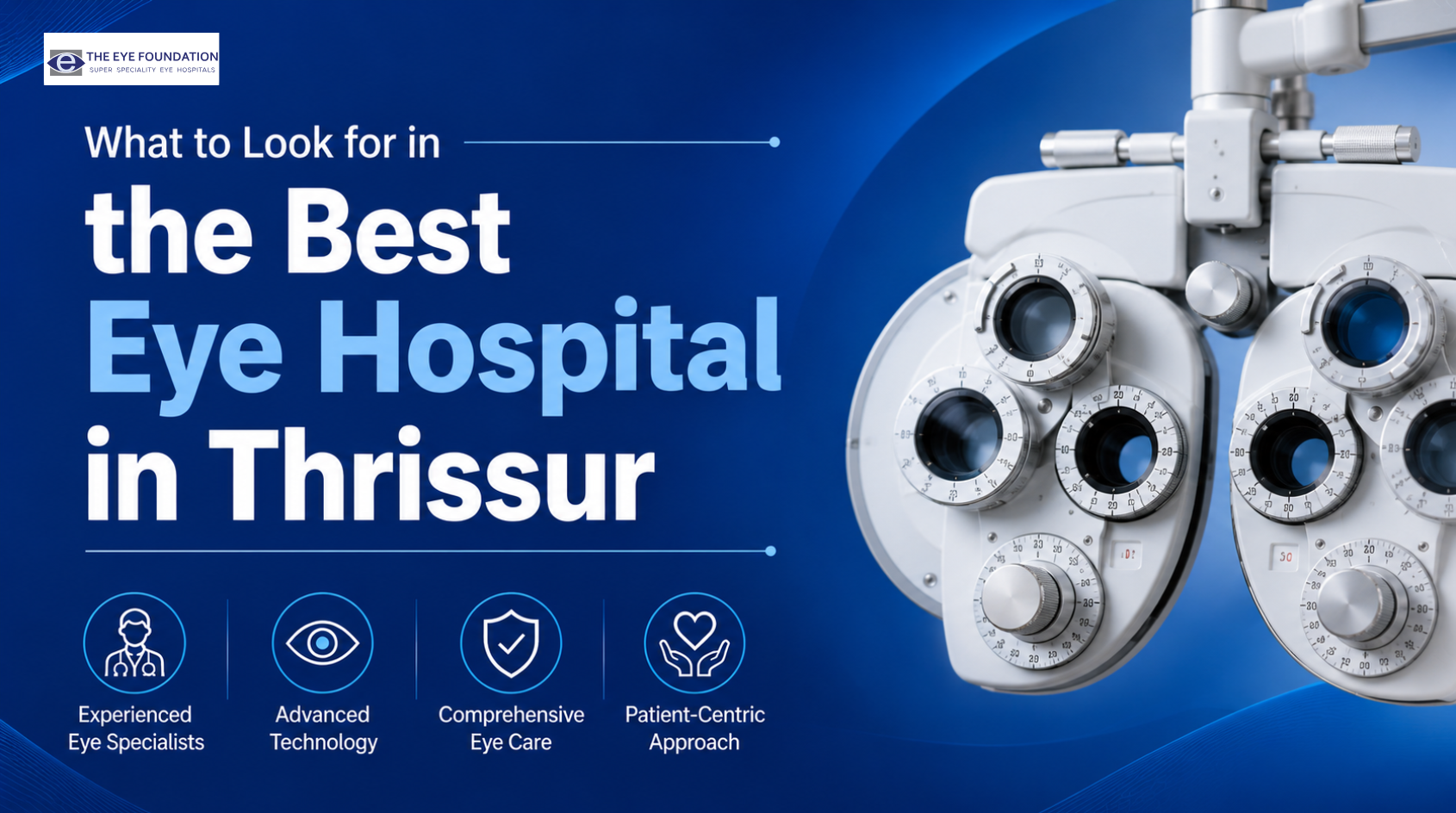
Eyesight is one of those things we rarely think about until it starts slipping. A little more squinting, a little more difficulty reading in dim light, a little more sensitivity to glare while driving and suddenly, months have gone by without a proper checkup. If any part of this sounds familiar, finding the best eye hospital in Thrissur should move up your priority list, not stay parked at the bottom of your to-do list indefinitely.
Why eye care deserves proactive attention
Many eye conditions, including glaucoma and early-stage diabetic retinopathy, progress quietly without obvious symptoms until noticeable vision loss has already occurred. This is exactly why routine checkups matter as much as treating symptoms you can already feel. A good hospital doesn't just treat visible problems it screens for the ones you can't yet detect on your own.
Conditions a well-equipped hospital should be able to handle
- Cataracts, from early cloudiness to advanced, vision-limiting stages
- Glaucoma, requiring long-term monitoring and management
- Diabetic retinopathy, closely tied to blood sugar control
- Refractive errors correctable through glasses, lenses, or LASIK
- Corneal conditions, including infections and irregularities
- Paediatric eye issues like squint, lazy eye, and early refractive errors

What sets a genuinely capable hospital apart
Not every clinic advertising eye services is equipped for complex cases. The best eye hospital in Thrissur typically stands out through a combination of experienced specialists, modern diagnostic technology, and a track record of consistent patient outcomes rather than one standout feature alone. Look specifically for:
- Ophthalmologists specialising across cornea, retina, cataract, and glaucoma
- Advanced imaging tools like OCT scans for early disease detection
- Clean, well-maintained surgical facilities with strict hygiene standards
- Transparent, itemised pricing for procedures and consultations
- A responsive support team for scheduling, insurance, and follow-ups
- Availability of emergency eye care outside standard hours
Signs you shouldn't brush aside
- Sudden blurring or dimming of vision, even if it seems to pass
- Persistent eye strain or headaches, especially after screen use
- Increasing sensitivity to light or glare while driving at night
- Gradual narrowing of your peripheral vision
- Redness, pain, or discharge lasting more than a day or two
- Difficulty distinguishing colours that used to be obvious
Catching these early usually means simpler treatment. A visit to the best eye hospital in Thrissur at the first sign of trouble can prevent a manageable issue from becoming a more complicated one down the line.
What a comprehensive eye exam should cover
A proper exam involves far more than reading letters off a chart on the wall. Expect measurement of intraocular pressure to screen for glaucoma, a dilated examination of the retina and optic nerve, an updated vision prescription if needed, and a conversation about how conditions like diabetes or hypertension might be affecting your eyes specifically. Rushed exams that skip these steps aren't giving your vision the attention it deserves.
Understanding your treatment options
Depending on what's diagnosed, treatment could range from a simple change in glasses prescription to more involved procedures like cataract surgery or laser treatment for diabetic retinopathy. A good specialist will explain each option clearly, including realistic expectations for recovery and long-term outcomes, rather than pushing you toward the most expensive path available.
Evaluating the hospital's overall setup
- A range of diagnostic and surgical technology under one roof
- Specialists available for second opinions on complex cases
- Comfortable facilities that reduce stress around procedures
- Clear post-procedure support and follow-up scheduling
- Positive, verifiable patient feedback over an extended period
- Reasonable appointment availability without excessive waiting periods
Choosing the right doctor for your specific condition
Hospital reputation matters, but so does the individual specialist you end up seeing. Ask about their specific experience with your diagnosis, how frequently they perform relevant procedures, and what outcomes their patients typically experience. A confident specialist at the best eye hospital in Thrissur should answer these questions directly rather than offering vague reassurances.
Cataract surgery: a common but important procedure
Cataracts remain one of the most frequently treated conditions at any major eye hospital, and modern techniques have made the procedure quick, low-risk, and largely painless. Most patients go home the same day and notice meaningfully improved vision within a couple of days. Choosing a hospital experienced specifically in cataract procedures matters, since technique and lens selection both influence long-term visual outcomes.
Cost, insurance, and planning your treatment
Costs for eye procedures vary based on complexity, technology used, and whether treatment is inpatient or day-care. Most standard insurance plans cover procedures like cataract surgery, though premium lens upgrades or elective corrections like LASIK may involve additional out-of-pocket expense. Requesting a detailed, written estimate before committing to treatment helps avoid confusion or unexpected costs later.
Everyday habits that protect your vision long-term
- Scheduling annual eye exams once you're past 40
- Managing diabetes and blood pressure through consistent monitoring
- Wearing UV-protective sunglasses when outdoors
- Following the 20-20-20 rule to reduce digital eye strain
- Avoiding excessive eye rubbing, especially with unwashed hands
- Eating a diet that supports eye health, rich in leafy greens and omega-3s
Your vision touches nearly every part of daily life, from reading and working to simply recognising the people around you. Choosing the best eye hospital in Thrissur for regular checkups and any necessary treatment protects something that's genuinely difficult to get back once lost. Don't wait for symptoms to become impossible to ignore before scheduling that first appointment.
Frequently asked questions
1.How often should adults get their eyes checked?
Generally every one to two years for adults under 40 without symptoms, and annually for those over 40 or managing conditions like diabetes.
2.Can glaucoma be detected before symptoms appear?
Yes, routine eye pressure checks and optic nerve imaging can detect glaucoma well before noticeable vision loss occurs, which is why regular screening matters.
3.Is LASIK suitable for everyone?
Not necessarily suitability depends on factors like corneal thickness, prescription stability, and overall eye health, which a specialist evaluates during consultation.
4.What should I bring to my first eye consultation?
Bring any current glasses or contact lens prescriptions, a list of medications, and details of any relevant family or personal medical history.