 Tamil Nadu
 Karnataka
 Kerala

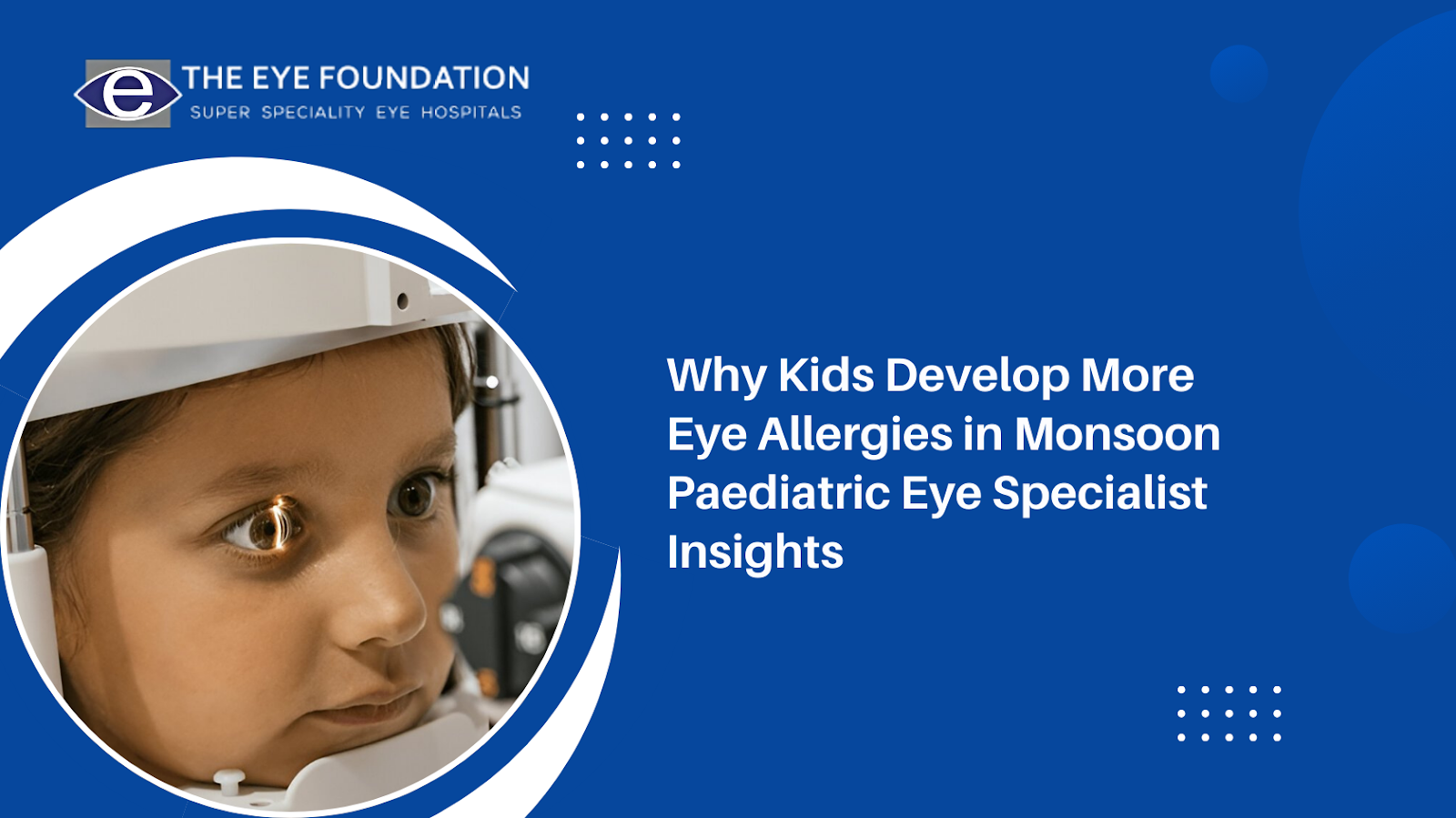
The monsoon season provides welcome rainfall, cooler temperatures, and a break from summer heat, but for many children, it marks the onset of frequent eye allergies. Pediatric eye specialists note a definite increase in the number of eye infections and allergic reactions during the monsoon time of year, mainly due to more moisture, allergens, and unhygienic environments.
Adults, too, who have received Femto LASIK will require more care during the monsoon season as humidity and bacteria can irritate sensitive post-LASIK eyes.
In this information booklet, we will discuss the reasons children are more likely to develop eye allergies during monsoon, how parents can help to prevent it, and some tips for eye care post-Femato LASIK during the monsoon for adults.
Why Children Develop More Eye Allergies During the Monsoon Season
1. Increased Moisture Means More Allergen Growth
Without a doubt, the monsoon balanced humidity means moisture is plentiful whether in the air, surroundings, classrooms, and even in homes and with moisture comes allergen growth. This moisture accumulates in various environments where children might possibly encounter:
Dust Mites
- Fungus and mold
- Pollen clusters
- Airborne germs

Children are more reactant to these allergens due to their immune system still developing; symptoms can appear as itchy eyes, red or pink eyes, allergic discharge from their eyes, and swollen eyelids.
2. Children Touch Their Eyes More Often
When children play, they are continuously rubbing their eyes, whether after playing, touching things, or being outside. During the monsoon time of year, we also know that surfaces we or our children come in contact with contain a significant increase of:
- Viral particles
- Bacteria
- Fungal spores
When our children touch these surfaces that carry particles and then touch their eyes, this is the beginning of their allergic reaction or an eye infection (conjunctivitis).
3. Polluted Rain Water Dripping into Eyes
Many children come into contact with rainwater when traveling to school or playing outside after a rain storm. However, the water is not pure; water that drops containing dust, pollutants, chemicals, biochemicals, etc. from the atmosphere until evaporated.This contaminated water irritates eyes directly causing conjunctivitis - or redness, as well as causing allergic conjunctivitis.
4. Indoor Dampness and Mold Exposure
Homes, especially homes that lack ventilation, get damp during monsoon. This can lead to a growth of mold that is not easily detected on:
- Walls
- Beds
- Carpets
- Curtains
Mold spores are potent irritants in childhood, causing kids to exhibit persistent itching, burning and watering of the eyes
5. School environments spread allergies faster
Crowded classrooms, and sharing items leads to increased spread of allergies, as well as infections. Children can often develop:
- Viral conjunctivitis
- Seasonal allergic eye disease
- Bacterial conjunctivitis
Because immunity during monsoon is typically low, these infections spread quickly.
Common symptoms of eye allergies in children during monsoon
Look for:
- Frequent rubbing/scratching of eyes,
- Red or pink staining,
- Watering or stickiness/discharge,
- Photosensitivity,
- Swollen eyelids,
- Burning or stinging feeling,
Complaining of feeling as if “sand in the eye”.
Treat quickly to avoid complications, scratches on the cornea, or any further infection.
Paediatric Eye Specialist Recommended care tips
1. Practice strict hygiene
- Children should wash their hands frequently
- Use separate towels for the face
- Do not use or share pillows or handkerchiefs
2. Keep inside spaces dry
Make sure exhaust fans are on and windows are ventilated to dry the area
3. Avoid outdoor play when the air is humid
When it rains or into the morning hours is when the air is most humid— it is best to limit exposure to allergens
4. Do not rub eyes
Teach children to simply blink their eyes instead.
5.Use Lubricating Drops Approved by Your Doctor
Lubricating drops relieve symptoms of discomfort and protect the eyes from allergens.
6. Don't Self-Medicate
Always avoid steroid drops. Use only medications approved by a pediatric ophthalmologist.
Femto LASIK Eye Care Tips for Monsoon (Adults)
Although Femto LASIK is not risky and is currently the most advanced laser technology, extra attention must be taken during the rainy season.
Humidity, exposure to pollution, and rainwater can be problematic for healing corneas.
The following are some of the best tips for the care of your Femto LASIK eyes during the rainy season as recommended by eye surgeons:
1. Never Expose Your Eyes to Rain
- Rainwater can carry harmful pollutants, bacteria, and chemicals.
- After the Femto LASIK procedure, the cornea is vulnerable for several months.
Avoid:
- Getting wet from the rain
- Touching your eyes with raindrop water on your hands
- Driving in the rain without glasses
2.Keep Your Eyes Clean and Dry
To dry your eyes use a clean, soft cloth and gently dab around your eyes and do not dab over your eyes).
3. Use Prescribed Lubricating Drops
- Monsoon (rainy season) is mostly dry due to high humidity and may change from dry to very humid.
- Lubricating drops are worthwhile to help:
- Keep the eyes comfortable
- Avoid symptoms
- Allow the cornea to heal
4. Don't Spend Long Periods of Time in Air Conditioners
Air conditioners reduce humidity and as it will dry out and irritate the post-LASIK eyes.
5. Wear Protective Glasses (Sunglasses) While Outdoors
Dust, wind, and airborne allergens are very high during the rainy season.
6. Be Careful with Hygiene
You should wash your hands before touching your face all along not rubbing your eyes at any time.
7. Continue to Follow Up with Your Eye Doctor
Make sure you continue to follow up with your eye doctor to make sure your healing is in the right direction all throughout the rainy season.
When To See An Eye Doctor Immediately
Whether in children or adults, if you notice any of the following, you should seek immediate attention from an eye doctor:
- Persistent redness
- Pain or extreme itching
- Sudden blurry vision
- Light sensitivity
- Anything more than expected discharge
- Swelling of the eyelids
If symptoms are not improving after 24-48 hours
Monsoon is a lovely season, and may bring increases in eye allergy symptoms for children and adults.
Children are more susceptible due to ongoing immunity and exposure to allergens.
Adults post Femto LASIK should be extra careful to avoid exposure to rain, irritants, and infection during this delicate healing period.
Also, if you encounter any symptoms of the eyes or want medical expertise, please see your eye doctor for help.
The Eye Foundation – Your Trusted Centre for Paediatric Eye Care & Femto LASIK Services.
Book Appointment Today.