 Tamil Nadu
 Karnataka
 Kerala

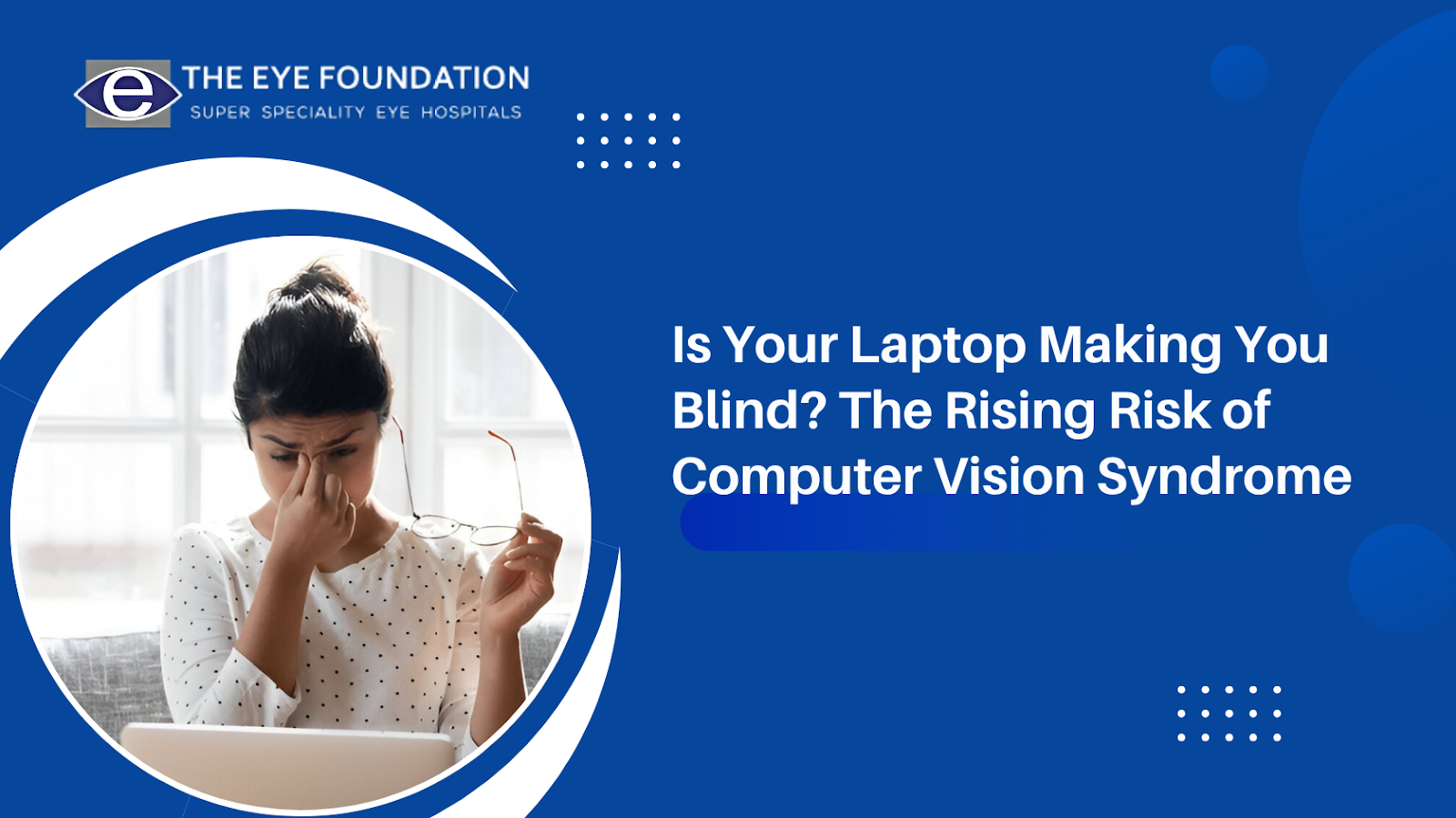
Screens are everywhere. At work, at home, even in your pocket. Whether by virtue of your computer for meetings or working too long into the night, the amount of time we spend on our phones, laptops, and tablets has become endless and a nonstop part of our life. Our eyes haven't evolved at the same pace. An increasingly common but silent condition known as Computer Vision Syndrome (CVS) is now affecting millions, usually without them having any clue. Have you experienced symptoms of eye strain, headaches, blurred vision, or dry eyes after spending too much time in front of a screen? If so, you may already have it.
What Is Computer Vision Syndrome?
Computer Vision Syndrome is a collection of eye and vision-related problems that occur from prolonged screen time, also called digital eye strain. The American Optometric Association (AOA) estimates that over 50% of computer users will experience some sort of CVS. In densely populated countries with tech driven economies like India, that number is even higher.
Unlike normal reading in print form, using a screen for a long time is not just plain and simple reading, it involves constantly changing focus and adjusting brightness responding to pixels that flicker (without us even knowing it). These micro-movements and continuous strain on the eye wear the eye muscles down, resulting in symptoms that can compromise both our vision and quality of life.
Signs You Might Be Suffering from CVS
CVS is not a sudden disorder. It creeps up slowly with a range of symptoms that are often ignored or mistaken for tiredness:
- Blurry or double vision
- Dry eyes or excessive tearing
- Headaches, especially after long screen sessions
- Neck and shoulder pain
- Redness or irritation in the eyes
- Increased sensitivity to light
- Difficulty focusing at a distance after screen use

If you find yourself rubbing your eyes more often, increasing screen brightness, or needing breaks to focus again your eyes are telling you something.
Why Laptop Usage Is a Major Trigger
Laptops are particularly dangerous when it comes to Computer Vision Syndrome. Unlike desktop monitors, laptops encourage bad posture, lower screen positioning, and close-range viewing all of which amplify eye strain.
Here are some specific laptop-related habits that worsen CVS:
- Looking down at the screen: Laptops often sit below eye level, causing you to tilt your head and strain both eyes and neck.
- Too much screen glare: Most laptops reflect ambient light, forcing your eyes to constantly adjust.
- Poor screen resolution or contrast: Not all laptops are designed for long visual tasks. Poor quality displays add further burden.
- Inadequate lighting: Working in low or overly bright conditions can cause a mismatch between screen light and surrounding light, increasing strain.
The Science Behind CVS
The human eye is not made for continuous close-up work. When we look at a screen, our eyes have to make movement after movement, adjustments to keep focused. This biomechanics is called accommodation. Ultimately, the repetitive action creates fatigue in our eyes muscles, causing visual discomfort.
Additionally, while staring unblinkingly at screens, we blink less than 60% of the time we normally blink; resulting in symptoms common to CVS, but that are also very annoying - dry eyes. To make matters worse, the blue light being emitted by screens is penetrating deep into our eye, making its way to the retina, causing additional problems over time.
Who Is at Risk?
Anybody using screens will experience Computer Vision Syndrome, but many are more susceptible:
- Children and teens who spend hours on online classes and gaming
- Office workers with 6–10 hours of screen time daily
- Remote professionals who work without ergonomic setups
- Older adults whose eyes are naturally less resilient
- Individuals with uncorrected vision problems like astigmatism or presbyopia
Even if you're not experiencing severe symptoms now, repeated exposure without precautions increases the chances of long-term visual damage.
How to Protect Your Eyes
Fortunately, Computer Vision Syndrome is both preventable and treatable by implementing simple changes to your habits:
1. Follow the 20-20-20 Rule
Every 20 minutes, look at something 20 feet away for at least 20 seconds. This relaxes the eye muscles and resets the focusing mechanism.
2. Blink More Often
Intentionally blink fully while you are working; this keeps your eyes moist and helps prevent them from drying out.
3. Adjust Your Screen Setup
Position your laptop screen at, or a little bit below, eye level (and about 20–24 inches from your face). If necessary, use a glare (anti-glare) filter.
4. Optimize Lighting
Try not to work in a dim room, and arrange light sources to minimize glare on your monitor. Natural light is ideal.
5. Use Artificial Tears
Artificial tears or lubricating eye drops can assist you in treating dry eyes, especially in air-conditioning.
6. Consider Blue Light Filters
Most modern devices will include a "night mode," or blue-light blocking capability; many anti-blue light glasses are also available.
7. Schedule Eye Exams
A comprehensive eye exam can catch early signs of visual strain, and even correct other issues.
When to Seek Professional Help
If you notice your symptoms becoming worse, or if the strain is starting to negatively impact your productivity or comfort, it is time to get help. Avoiding them could lead to more serious vision issues.
Protect Your Vision with The Eye Foundation
Your eyes are one of your most important assets and they deserve better care. Computer Vision Syndrome is a relatively new phenomenon today, and with a little help, you can protect your vision and keep working with digital devices safely.
The Eye Foundation offers the leading edge in diagnosing and treating digital eye strain and digital eye strain along with advanced care management based on your unique lifestyle. Our experienced team of ophthalmologists can provide eye exams, objectivity, treatment options and advice, to help manage CVS and other screen readable activities.
Act on the warning signs while you can. Book your appointment today with our eye specialists and get the personalized care your vision deserves.