 Tamil Nadu
 Karnataka
 Kerala

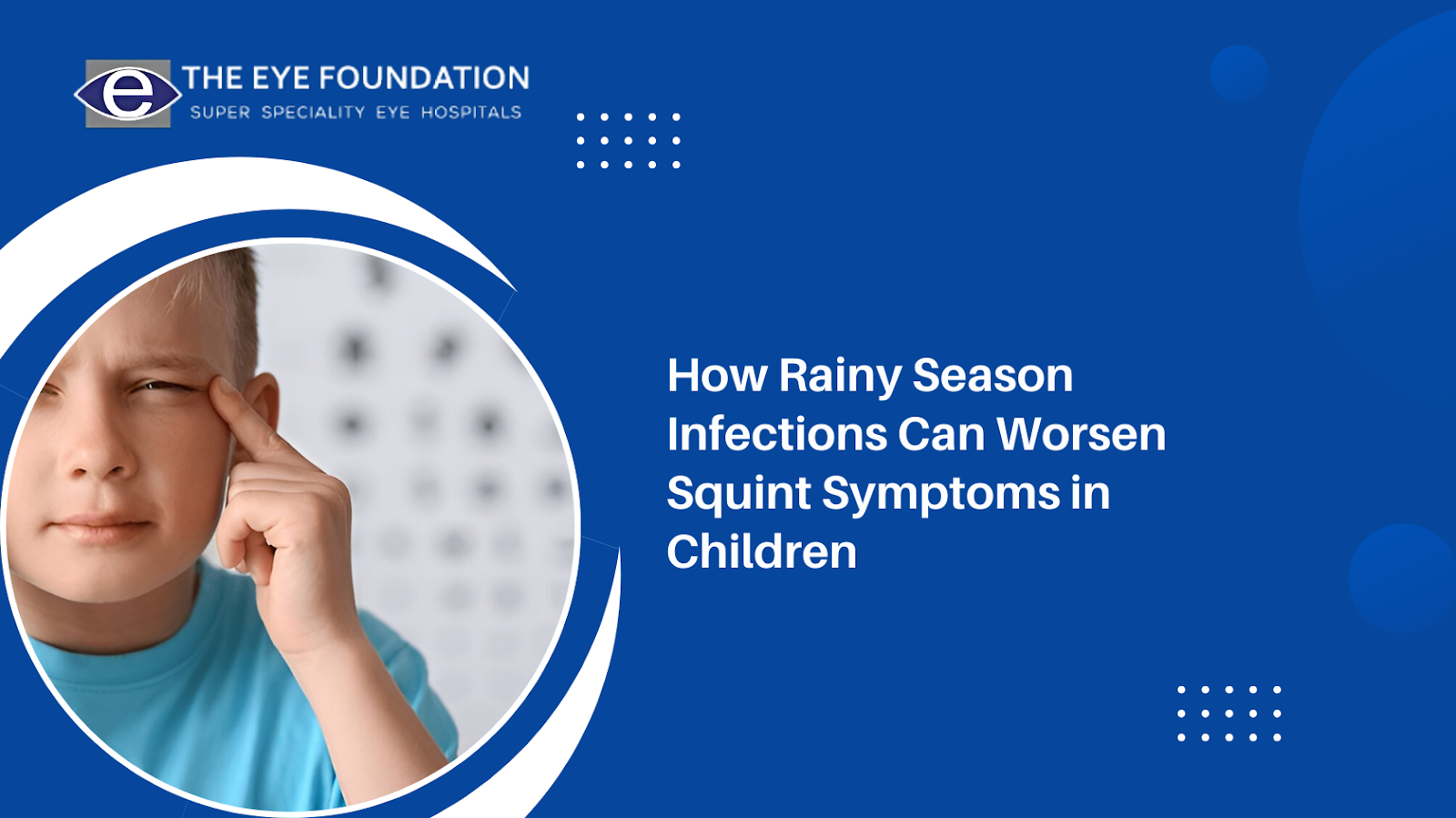
The monsoon season may provide a respite from the high temperatures; however it is the time of year when the likelihood of developing a viral or bacterial infection is at a higher incidence—especially those involving the eye. During the monsoon season, children have an increased risk for developing eye infections due to a luxurious humid environment, poor hand hygiene, and exposure to rainwater. For children who have already received a diagnosis of squint (strabismus), an eye infection will likely exacerbate squint symptoms and create additional problems with regard to visual development, eye alignment, and comfort.
Most parents may not think that disorders of the eye commonly seen and associated with the monsoon season, such as conjunctivitis, viral fever, or allergies, are likely to aggravate squint symptoms. Understanding why this is so and knowing the right Squint care tips during monsoon for your child can protect human development and child learning through their vision.
Why would eye infections be more common during the monsoon season? Like we discussed earlier, the rainy season provides the perfect condition for germs to replicate.
Clearly, moisture, stagnant water, and increased humidity, are an excellent diet for germs to grow and thrive. Children often touch infected water, contaminated surface areas or the infected hands of other children, play in the rain and wipe their eyes with dirty hands, and thus develop common black eyed infections such as:
- Conjunctivitis (Pink Eye)
- Allergic Eye Disease
- Stye or Lid Infections
- Viral Eye Infections
In those children who already have been diagnosed with squint, these infections may lead to increased inflammation, and interfere with the ability to move and focus appropriately.
How Monsoon Eye Infections Worsen Squint Symptoms.
Visual health has a major contribution to how the eyes smoothly function together. If only one or both eyes become infected, several issues can result:
1. Increased Eye Strain Infection can result in swelling, irritation and difficulty focusing. In these situations, the eyes must work harder; for a child that squints, the eye misalignment may increase.
2. Temporary blurring of vision With conjunctivitis, one eye may become more blurred than the other eye, causing misalignment.
3. Delay in treatments aimed to resolve squint. Children can be undergoing:
- Glasses therapy
- Patching (eye exercise)
- Orthoptic therapy (eye coordination exercises)
- Post-surgical care during the presence of discomfort or an infection which will case a delay in improvement of the eye.
4. Lack of eye coordination. If vision is interrupted, the brain increases the likelihood to ignore the weaker eye. Once this open has occurred, kids can be at risk for amblyopia (lazy eye) which is common if squint is present.

Signs Parents Need to Look For During Monsoon
It is important to look for symptoms early. We hope you will partner with us in taking a child to be seen by a doctor if you see any of the following symptoms associated with your child:
- Red or watering eyes
- Blinking a lot
- Eye itch/rubbing
- Light sensitive eyes
- Eye discharge/sticky eyelids
- More turning or misalignment than usual
- Double or blurred vision
A doctor will treat conditions to prevent the worsening of the squint and will always care that whatever the issues are has no long-term affect on your child's vision.
Squint care tips to help preserve eye health during monsoon
When it comes to eye care for children, it is always better to prevent illness than ascertain a diagnosis and provide treatment. Here are important Squint care tips to follow during the monsoon season.
1. Maintain Strict Hygenic Procedures For The Eyes
- Enourage handwashing before any one touches eyes/face
- Wash of face, especially when coughing or sneezing
- Clean wash cloths not shared wash cloths
- Do not rub or scratch the eye.
2. Avoid Cleaning Your Child's Eyes with Rainwater
Although rainwater may appear clear, it contains pollutants and microorganisms that could harm your child's eyes. To safely clean your child's eyes, always use:
1. Sterile eye wipes
2. Clean cotton balls dipping them in either boiled and cooled water
3. Ensure Squint Treatment is Squint Treatment is Consistent & does NOT miss days
If your child is on:
1. Eye patch therapy
2. Eye drops
3. Corrective glasses
4. Exercises for vision
Check that your child has not missed any days in their treatment, unless an eye doctor states otherwise. Missing days in treatment can interfere with your child's recovery.
4. Do NOT Self-Medicate
DO NOT use old eye drops, old antibiotic ointment, or home epidemic medications. Incorrect prescriptions can worsen the infection or eye alignment.
5. Reduce & Limit Screen Time
When your child's eyes are infected, more screen time is likely stressful to the eyes. Instead, encourage:
1. Reading
2. Indoor games or activities
3. More sleep
Clean Spectacles Regularly
If a child has a squint, they can only wear glasses for better alignment. Be sure that:
1. The glass lens are cleaned regularly
2. The glasses frame fit is adjust properly
3. There are NO scratches that may affect the quality of vision
7. Schedule Regular Eye Checks
If the doctor says you child is okay, they should still still ALWAYS schedule regular checks for:
1. Eye alignment
2. Quality of vision
3. Improvement in treatments
Eye specialists can provide hep and early detection in case of eye problems can faor you child's long term quality of vision.
When Should Parents Consider Seeing an Eye Specialist?
If you notice your child doing any of the following, did the child:
- Have a swift increase in squinting?
- Have an eye infection for more than 48 hours?
- Swelling / Pus or Draining / Severe Redness
- Has double vision (is able to see regular vision) or headaches?
8. Following any symptoms, refer them to the doctor; if symptoms worsen the sooner see a professional eye specialist, the less it can interfere with your child's eyesight development.
During the rainy season, children with eye infections, especially those children who are afflicted with squint. It is not only necessary to feed eye care, hygiene, and healthy food, but when you have the right care in the Monsoon, you can protect your child's eye health and avoid any complications making sure they are developing vision functionality the right way.
If your child is incurring squint in the rainy season, it is just your first sign to see someone evaluate them now, before much worse or more complications arise if the child has had a squint or eye issues prior.
Book Appointment
For children in need of pediatric treatment, eye evaluation for squint, Please schedule an appointment with The Eye Foundation to assist in safeguarding your child's eye health in Monsoon.