 Tamil Nadu
 Karnataka
 Kerala

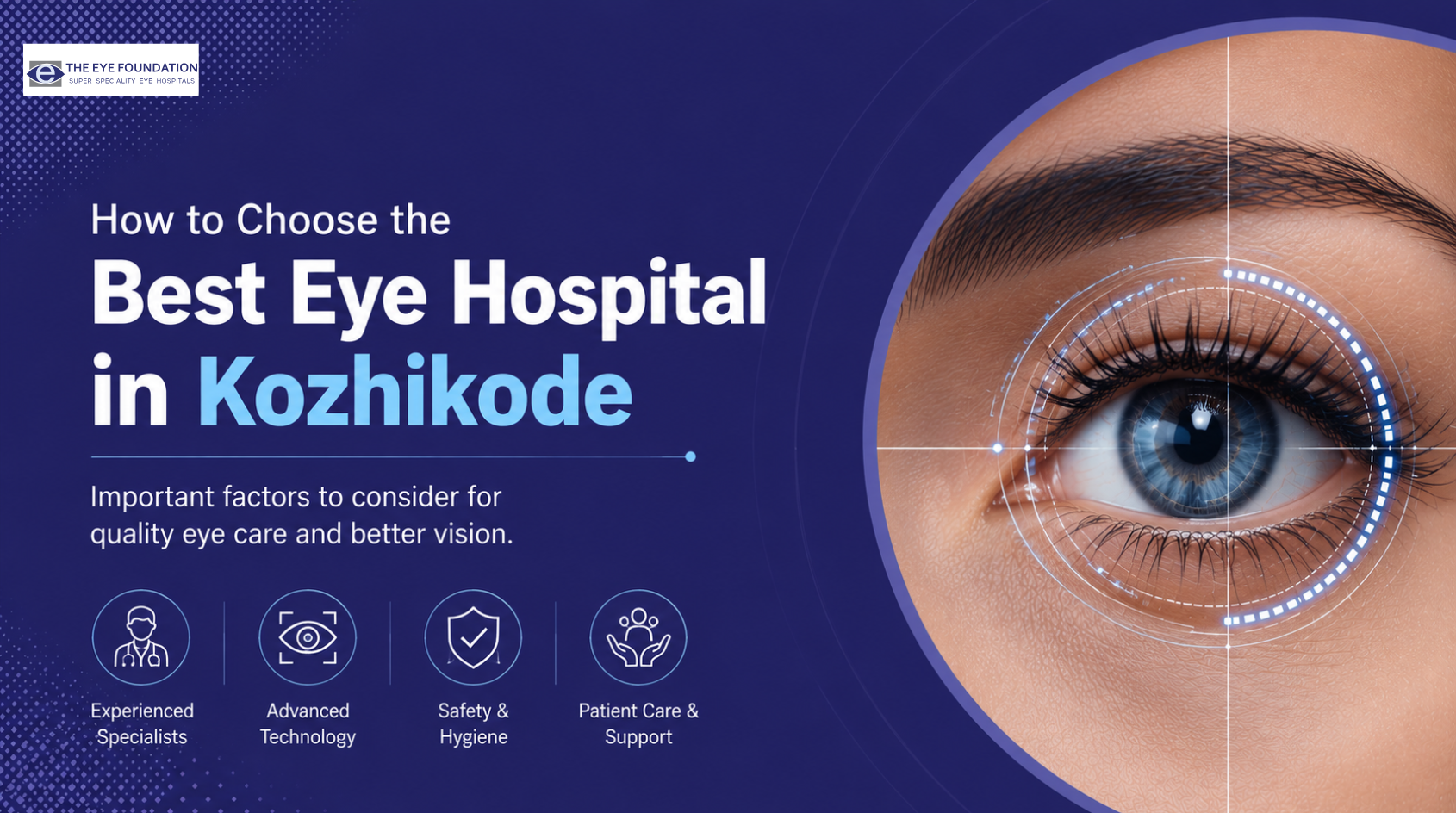
Vision problems have a sneaky way of creeping up on us. A little more squinting at the TV, a little more difficulty reading small print, a little more discomfort under bright lights and before you know it, months have passed without a proper checkup. If any of this sounds familiar, it might be time to find the best eye hospital in Kozhikode and get things looked at properly, rather than adjusting your habits around a problem that's only getting worse.
Why your choice of hospital genuinely matters
Eye care isn't a one-size-fits-all field. Some patients need simple vision correction, others need cataract surgery, and some are managing chronic conditions like glaucoma or diabetic retinopathy that require years of consistent monitoring. The best eye hospital in Kozhikode will be equipped to handle this entire spectrum, rather than referring you elsewhere the moment your case gets slightly complicated.
Conditions a well-equipped hospital should handle
- Cataracts at every stage, from early cloudiness to advanced cases
- Glaucoma, which often has no symptoms until vision loss has already begun
- Diabetic retinopathy, a leading cause of vision loss in adults with diabetes
- Corneal conditions requiring specialised treatment or transplant
- Refractive errors treatable through glasses, contact lenses, or LASIK
- Paediatric eye conditions like squint and lazy eye

What to look for during your research
Choosing a hospital shouldn't be based on advertising alone. When comparing options, check whether the best eye hospital in Kozhikode you're considering has specialists across multiple sub-fields cornea, retina, cataract, and glaucoma rather than general practitioners handling every case. Ask about the technology they use for diagnosis, since outdated equipment can miss early-stage issues that modern scanning would catch easily.
Signs that mean it's time for a checkup
- Blurred or fluctuating vision that comes and goes
- Increased sensitivity to light or frequent glare
- Difficulty adjusting between bright and dim environments
- Eye strain or headaches after reading or screen time
- Noticeable changes in colour perception
- A family history of glaucoma, cataracts, or macular degeneration
Delaying a checkup because symptoms feel "manageable" is one of the most common reasons early-stage eye conditions progress further than they should. A visit to the best eye hospital in Kozhikode can catch these issues while they're still simple to treat.
What a comprehensive eye exam should include
A thorough exam goes beyond a basic vision chart. It typically includes measurement of eye pressure to screen for glaucoma, dilated examination of the retina and optic nerve, assessment of your prescription if corrective lenses are needed, and a conversation about your overall health, since conditions like diabetes and high blood pressure directly affect your eyes. Hospitals that rush through this process aren't giving your vision the attention it deserves.
Cataract and LASIK: understanding your options
Many patients confuse cataract surgery with LASIK, though they address entirely different problems. Cataract surgery removes a clouded natural lens and replaces it with an artificial one, typically recommended for age-related vision loss. LASIK, on the other hand, reshapes the cornea to correct refractive errors like short-sightedness or astigmatism, usually for younger patients who want to reduce dependence on glasses. A good specialist will clearly explain which if either applies to your specific situation.
Evaluating the hospital's infrastructure
- Advanced diagnostic tools like OCT scans and visual field analysers
- Modern operation theatres maintained to strict hygiene standards
- Backup facilities and emergency care availability
- A range of lens options for cataract surgery, from standard to premium
- Comfortable waiting areas and efficient appointment scheduling
- Clear, itemised billing without vague or hidden charges
Choosing the right doctor within the hospital
Even at a well-reputed hospital, the specific doctor handling your case matters enormously. Ask about their specific experience with your condition, how many similar procedures they've performed, and what results past patients have typically seen. A confident, experienced specialist should be able to answer these questions directly, without vague reassurances.
Cost, insurance, and planning ahead
Eye procedures vary widely in cost depending on complexity, the technology used, and whether treatment is done on a day-care or inpatient basis. Most standard insurance plans cover cataract surgery and many other procedures, though premium lens options or elective procedures like LASIK may not be fully covered. Always request a written estimate before proceeding, covering consultation, the procedure, and follow-up visits.
Preventive care between checkups
- Schedule annual eye exams once you're past age 40
- Keep diabetes and blood pressure well managed through regular monitoring
- Protect your eyes from UV exposure with proper sunglasses
- Follow the 20-20-20 rule to reduce digital eye strain
- Never rub your eyes excessively or ignore persistent redness
- Eat a diet that supports eye health, rich in vitamin A and omega-3s
Frequently asked questions
1.At what age should regular eye exams start?
Children should have their first comprehensive exam by age five, and adults should generally begin annual checkups from around age 40 onward, or earlier with risk factors.
2.Is glaucoma curable?
Glaucoma isn't curable, but it can be effectively managed with early diagnosis, medication, or surgery to prevent further vision loss.
3.How do I know if I need cataract surgery or just new glasses?
A comprehensive eye exam can distinguish between the two cataracts cause progressive clouding that glasses can't correct, while refractive errors respond well to updated lens prescriptions.
4.Are eye checkups necessary if I have no symptoms?
Yes, several serious eye conditions, especially glaucoma, progress silently without noticeable symptoms until significant damage has occurred.
Your vision affects nearly everything you do, from reading to driving to simply recognising the people you love. Choosing the best eye hospital in Kozhikode for regular checkups and any necessary treatment is one decision that pays off for decades. Don't wait for symptoms to become impossible to ignore before taking action.