 Tamil Nadu
 Karnataka
 Kerala


Kerala stands out because of its scenic beauty and its tropical climate and its powerful monsoon rainfall. The environment of Kerala promotes beautiful green scenery and nice weather but creates difficulties for eye wellness. The weather conditions of Kerala transform across the year from hot summer to rainy monsoon which affects both vision clarity and eye comfort.
The shifting weather conditions lead numerous individuals to develop eye infections while experiencing dryness and allergies together with eye irritation. People in Kerala must understand how their yearly climate variations impact their eyesight and learn effective ways to safeguard their eyes. Let’s take a closer look.
How Kerala’s Climate Impacts Eye Health
1. High Humidity and Eye Infections
The monsoon season brings high humidity which persists across all months of the year in Kerala. High air moisture enables bacteria, viruses and fungi to multiply easily. The moist climate conditions create an environment that heightens the chances of developing several eye infections including:
- Conjunctivitis (Pink Eye): This highly contagious disease results in red swollen and watery eyes.
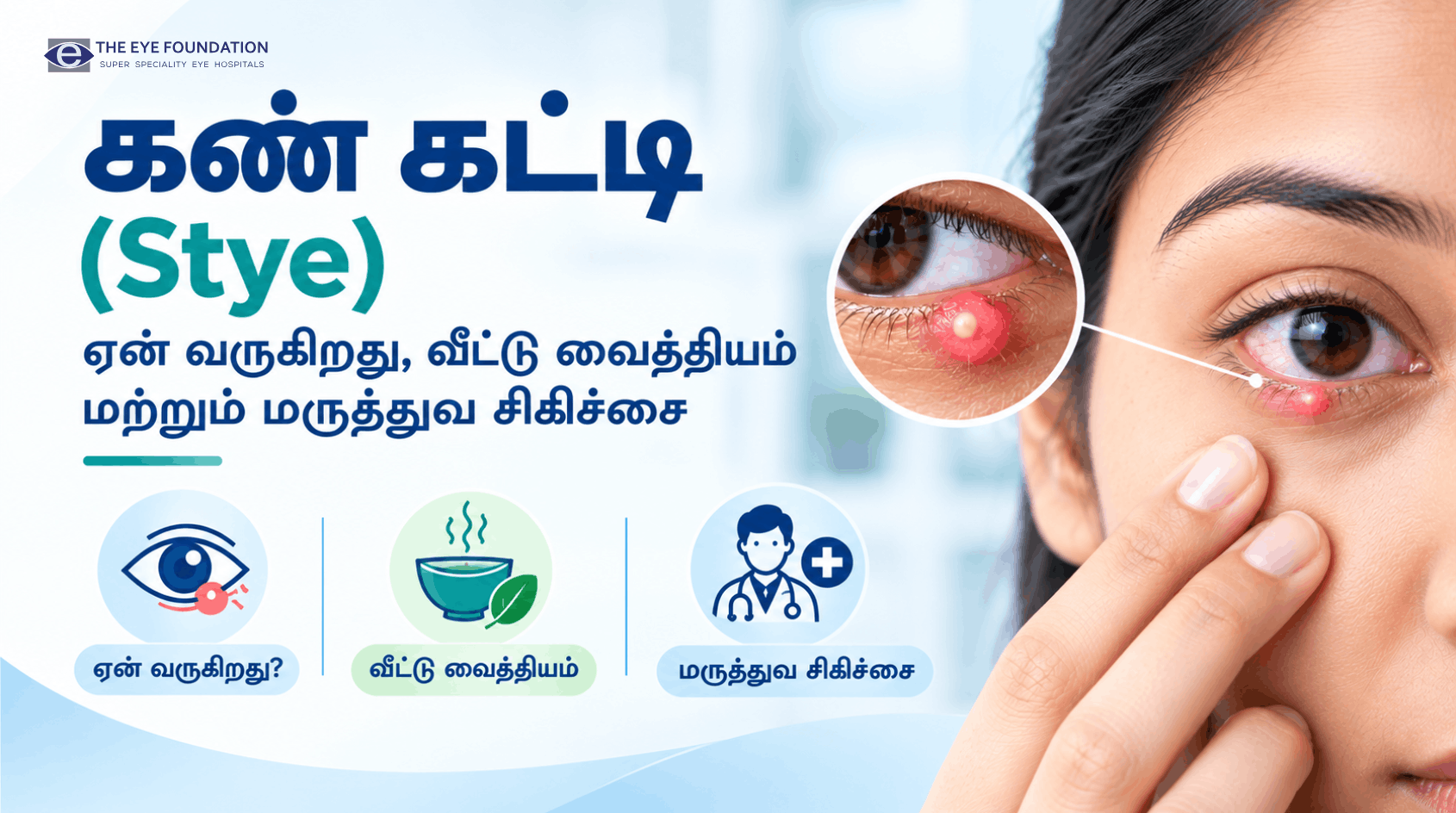
- Styes: The bacterial infections create small painful bumps which appear on the eyelid.
- Fungal Infections: Common during monsoon, especially in people who wear contact lenses.
Excessive moisture in the air creates discomfort which produces eye stickiness that results in both irritation and visual blurring.
2. Summer Heat and Dry Eyes
The tropical climate of Kerala experiences dry eyes during summer months mainly because people frequently stay in air-conditioned environments. The drying effect of air conditioning on indoor air causes these symptoms to appear:
- Burning sensation in the eyes
- Blurry vision
- Increased sensitivity to light
- Redness and irritation
Those who live with dry eye syndrome will experience worsening symptoms when temperatures rise and air becomes dry.
3. Eye Allergies from Dust and Pollen
The seasonal change in Kerala brings airborne substances such as pollen and dust and pollution which primarily affect urban regions. The airborne particles create eye allergy symptoms which result in:
- Itchy and red eyes
- Excessive tearing
- Swelling around the eyes
- A gritty feeling, as if there’s something in the eye
People who suffer from allergies are more susceptible to these symptoms which occur mostly during the pre-monsoon and post-monsoon seasons.
4. UV Exposure and Sun Damage
The warm climate of Kerala makes strong sunlight exposure dangerous for eyes when extended over time. UV rays emitted by the sun elevate the chances of developing:
- Cataracts: A condition where the eye’s lens becomes cloudy, leading to blurry vision.
- Pterygium: A growth on the eye’s surface caused by excessive UV exposure.
- Macular Degeneration: Damage to the retina, affecting central vision.
UV rays can break through clouds to harm eye tissue permanently unless individuals protect their eyes from these rays.
5. Monsoon Season and Fungal Infections
During the monsoon season in Kerala the region experiences excessive rainfall together with wet conditions that result in waterlogged surfaces. Fungal infections become more likely to affect the cornea because of the moist conditions. Individuals who use contact lenses together with people with existing eye problems need to exercise additional caution during this time.
Symptoms of fungal eye infections include:
- Severe eye pain
- Blurry vision
- Sensitivity to light
- Swelling and discharge
Proper medical attention at the beginning of these infections becomes vital because improper treatment can result in severe vision complications.
6. Reduced Visibility and Eye Strain During Monsoons
Heavy rains and mist and fog together create poor visibility conditions during the monsoon season. Eye focus strength increases because of this condition which produces:
- Eye strain
- Headaches
- Difficulty in driving or reading in dim light
Those who drive often and work extended screen time periods might develop eye fatigue during this period.
How to Protect Your Eyes from Kerala’s Climate
Wear UV-Protected Sunglasses
Wear high-quality sunglasses that block UV rays before venturing outside under sunlight. The use of UV-protected sunglasses helps prevent both sun-induced cataracts and skin damage to the eyes.
Keep Your Eyes Clean
Before handling your eyes you should wash your hands followed by eye irrigation using clean water to relieve discomfort. The prevention of eye infections from dust and bacteria and pollen occurs through this practice.
Use Lubricating Eye Drops
You should use artificial tears and lubricating eye drops as a way to maintain eye moisture when you experience dryness. People who work extensive hours under air conditioning or digital screens need to prioritize eye moisture maintenance.
Avoid Rubbing Your Eyes
Suffering from eye allergy itch should never be treated by rubbing the eyes. A cold compress should be used as the most effective method to minimize eye irritation. Eye allergy symptoms become worse due to rubbing and the eyes become exposed to bacteria.
Maintain a Healthy Diet for Eye Care
Eat foods rich in:
- Vitamin A (Carrots, spinach, eggs) – Helps maintain good vision.
- Omega-3 Fatty Acids (Fish, nuts, flaxseeds) – Reduces dry eye symptoms.
- Vitamin C (Oranges, berries, tomatoes) – Protects against UV damage.
A balanced diet keeps your eyes strong and reduces the risk of age-related eye diseases.
Schedule Regular Eye Check-ups
Even if your eyes feel fine, routine eye check-ups can detect early signs of problems like cataracts, glaucoma, and infections.
The climate of Kerala creates various impacts on eye health that change across the twelve months. The knowledge of eye risks from humidity and dust and UV exposure and infections enables you to make proper safety measures.

Any ongoing symptoms including redness, dryness or blurry vision along with discomfort should not be dismissed. Consult with an eye specialist to receive proper medical attention.
The Eye Foundation stands as the best choice for expert eye healthcare. Make your appointment now to maintain your eyesight throughout the entire year.