 Tamil Nadu
 Karnataka
 Kerala


Keratoconus is a non-inflammatory degenerative disease of the cornea which becomes thin and conical. It can cause a distorted vision which makes it difficult to undertake routine tasks. Even though medicines are important, daily routine changes are also crucial to support eye health and manage the condition.This article looks at what measures you can take to manage your condition and minimise damage to the cornea if you have keratoconus.
Understanding Keratoconus
Keratoconus affects the corneal tissue, changing its shape, which is responsible for refracting light to the retina. In later stages of the disorder, patients may also have problems with their sight such as blurring or distortion of vision, sensitivity to light, and fluctuating prescriptions. It is very important to diagnose it early because once it starts progressing, it is difficult to manage and may lead to poor quality of life. For any individual residing in Coimbatore, getting treatment from an experienced eye hospital in Coimbatore can be a revolutionizing experience.
The Role of Eye Health in Keratoconus Management
It is therefore important for patients with keratoconus to have good eye health. Lifestyle changes can help to decrease symptoms, halt the progression and improve the effectiveness of specific medical interventions like, for instance, Keratoconus Treatment, specialized contact lenses or surgery. ome changes can significantly help in managing this condition.
Lifestyle Adjustments for Better Eye Health

1. Protecting Your Eyes
Avoiding eye injuries is among the best things that a person with keratoconus can do to prevent the condition from worsening. UV light can make the condition worse so it is important to wear UV protective sunglasses and wide-brimmed hats when outside. Do not rub them because this action may worsen the condition of corneal thinning and the symptoms that go with it. If your eyes are irritated and feel scratchy or itchy, you should use the lubricant eye drops that have been prescribed by an eye doctor.
2. Eye-Friendly Nutrition
The foods you consume can affect your vision in a big way. Consume foods containing antioxidants like greens, carrots, and oranges and other citrus fruits. Omega-3 essential fatty acids found in fish, nuts and seeds are beneficial to the eyes. Hydration is also crucial because it ensures the proper functioning of both organs and reduces dryness.
3. Adopting Proper Visual Habits
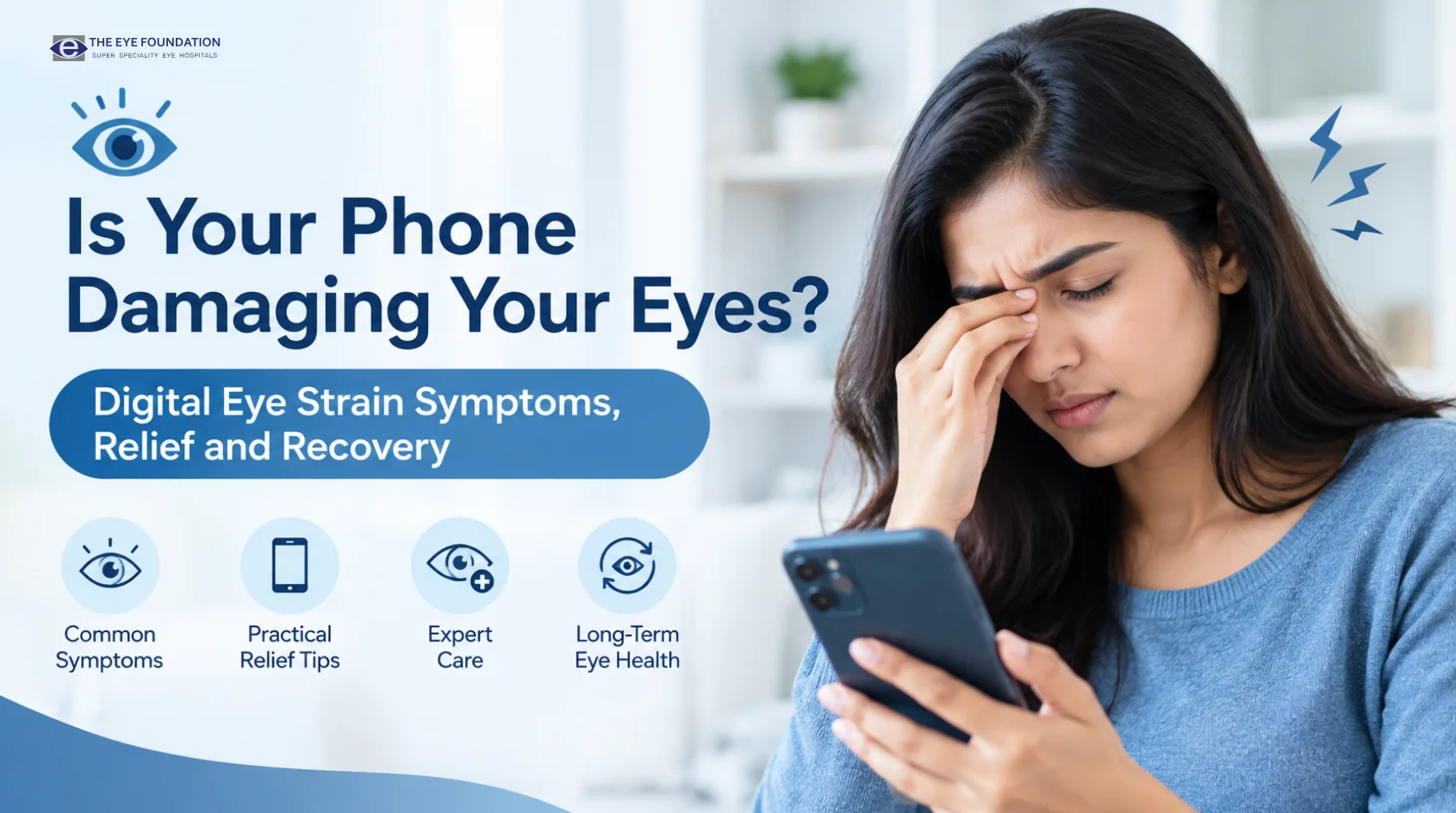
Keratoconus makes your eyes sensitive to strain and this is made worse by sitting in front of screens for long hours. Follow the 20-20-20 rule: every 20 minutes, focus your eyes on an object that is 20 feet away from you for 20 seconds. Take enough light while working or reading to minimize on eye strain. It is also useful to take breaks during visually demanding activities as well as to look at something green or take a nap.
4. Managing Allergies
Keratoconus can be worsened by allergies because they affect the eyes. Allergy causing agents should be avoided and the environment should be kept clean and if possible air conditioners should be used. Check with your doctor to get an antibiotic ointment for the allergy or use lubricating eye drops that will not harm the cornea.
5. Maintaining a Stable Routine
It is therefore important that a patient with keratoconus should see an ophthalmologist on a regular basis to check on the condition’s progression. Make sure that you adhere to prescribed therapies including wearing of rigid gas permeable or scleral contact lenses. People in Coimbatore can seek specialist advice at an Eye Hospital in Coimbatore to get the best way to handle the condition.
Stress Management and Mental Health
While suffering from keratoconus, life may seem quite challenging, but stress management does not harm the eyes. Activities like exercising, taking a yoga class, or even practicing mindfulness and meditation will all help to lessen stress which in turn lessens eye strain. This can also be achieved through contact with other people or other groups where they are also experiencing similar situations since this also brings comfort and encouragement.
When to Seek Professional Help
If the symptoms deteriorate, you should seek medical help: sudden blurriness, increased light sensitivity, or issues with night vision. An experienced ophthalmologist can evaluate your condition and suggest such complex procedures as corneal cross-linking or Intacs implants.
Success Stories and Encouragement
Many people with keratoconus live fulfilling lives by taking proactive steps to manage their condition. With regular care and lifestyle adjustments, they can enjoy better vision and improved quality of life. Remember, small changes can make a big difference in your journey to better eye health.
Keratoconus may pose challenges, but it doesn’t have to limit your life. By adopting protective habits, eating a nutrient-rich diet, managing stress, and seeking timely medical care, you can improve your eye health and manage keratoconus effectively. If you or a loved one is dealing with this condition, don’t hesitate to consult experts for guidance.
For comprehensive care and advanced treatments, visit The Eye Foundation, one of the leading providers of eye care. Book your appointment today at our Hospital and take the first step towards healthier vision!