 Tamil Nadu
 Karnataka
 Kerala


For many people, makeup is a daily experience of mascara, eyeliner, eyeshadow, and lashes that completely alters our appearance in minutes. Behind that glam, however, is a hidden risk that we don't consider: eye infections that may develop after using makeup. We all experience mild discomfort or irritation after makeup removal from time to time, but some have recurring eye infections from makeup use that can, in cases of repeated or severe infection events, cause structural damage to the ocular area. It is time for a very sincere discussion about an important treatment option, and one that we probably don’t spend enough time thinking about: oculoplasty.
None of this is to say that oculoplasty is just for cosmetic or surgical related issues, nor do we make the argument here that oculoplasty treatments can cure your recurring eye infections as a result of make-up use. However, we should discuss what issues oculoplasty can assist with.
The Hidden Dangers of Eye Makeup
You should be aware that your eyes are very sensitive. You apply, and remove, makeup every day while exposing your eyes to grime, bacteria, and even fungal agents from unclean makeup brushes or applying expired products or shared products.
Here are a few eye conditions that are often attributed to makeup usage:
- Blepharitis: a type of eyelid inflammation, usually when oil glands are blocked, and experienced by bacteria, causing inflammation of the eyelid margins.
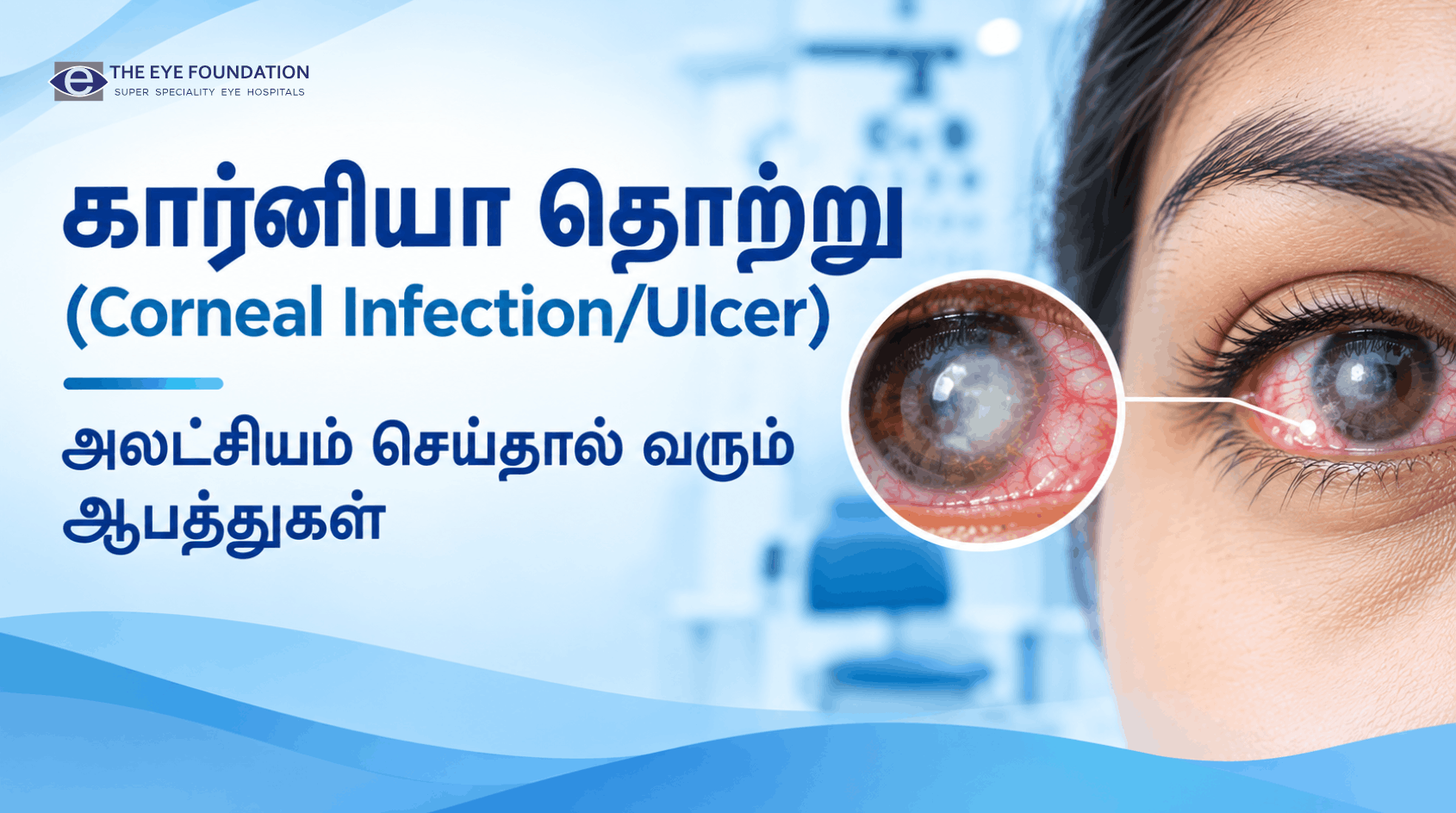
- Conjunctivitis: pink eye or allergic reaction by contaminants or allergens for the body from makeup usage.
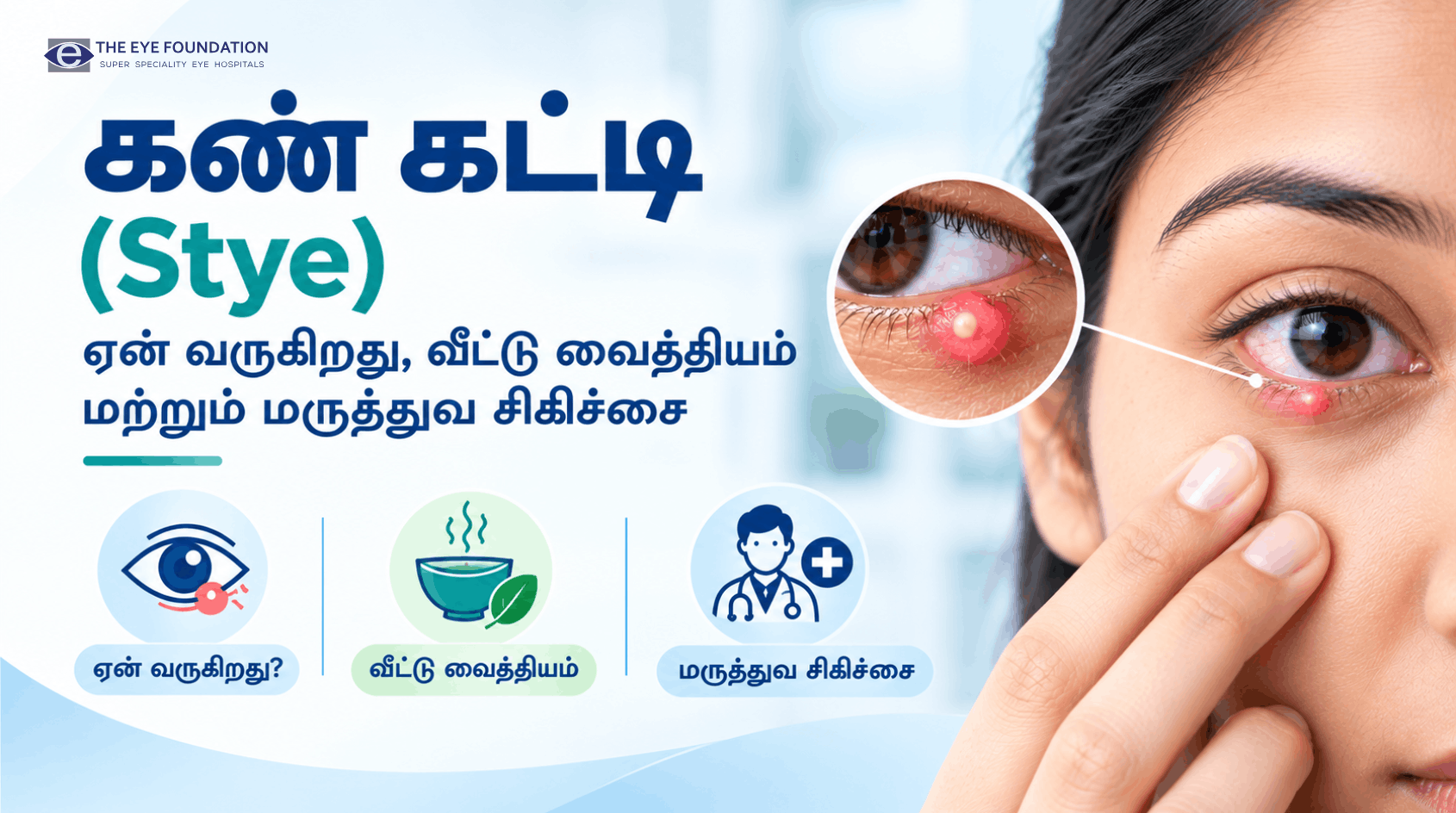
- Stye or Chalazion: lumps in or around the eyelash area that can cause pain or infection around the gland.
- Lacrimal drainage issues: by blocked tear ducts from the first make-up product, or due to a history of repeated infections.
Untreated or frequently recurring infections may lead to structural deformity or functional problems, and that’s where oculoplasty for infection may be able to help.
Oculoplasty is a subspecialty of ophthalmology that directs its focus on repairing and reconstructing the structures surrounding the eye, such as eyelids, punctal stenosis (tear ducts), and eye socket.
Many people think of oculoplasty for cosmetic purposes (such as an eyelid lift), but the medical approach is often not considered as an option, or people may be unaware it’s an option, particularly when dealing with damage from post-infection poor care.
- Drooping eyelids after long-term blepharitis
- Scarring or thickened eyelids due to repeated styes or chalazions
- Blocked tear ducts leading to constant discharge or infection
- Eyelid malposition, where lids turn inward/outward and worsen irritation
In all these cases, oculoplasty for eye infections doesn’t just improve appearance, it restores comfort, function, and protection to one of the most delicate areas of your body.
When Do Eye Infections Require Oculoplasty?
Not every eye infection calls for surgical intervention. Most minor infections can be treated with:
- Antibiotic or antifungal drops
- Warm compresses
- Proper eyelid hygiene

However, oculoplasty becomes necessary when:
- Infections keep recurring despite treatment
- There’s a visible deformity (eyelid droop, chronic swelling)
- Tear ducts are permanently blocked or narrowed
- Eyelids no longer close or open properly, risking corneal damage
- There is scarring from long-standing styes or chalazions
In these cases, a specialized oculoplasty for eye infections plan is developed by an oculoplastic surgeon to restore both form and function of the eye area.
Not Just Surgery: Oculoplasty Also Prevents Recurrence
Here’s the key takeaway: oculoplasty for eye infections isn’t just about correcting damage. It can also prevent future infections by:
- Restructuring eyelids to allow proper gland function
- Creating new tear drainage pathways in chronic dacryocystitis
- Removing infected tissue safely and completely
So if you’re someone who constantly battles eyelid bumps, watery discharge, or painful swelling after using makeup, this could be more than just surface irritation. It might be time to consider a specialist consultation.
Prevention Tips for Makeup-Induced Infections
Before you reach the point of needing oculoplasty, here are some smart prevention strategies:
- Never share eye makeup
- Replace mascara every 3 months
- Wash brushes weekly with anti-bacterial solution
- Remove makeup completely before bed
- Avoid expired products
- Don’t apply makeup near the lash line where oil glands reside
- Clean contact lenses thoroughly before application
But if the damage has already been done or infections keep coming back, oculoplasty for eye infections may be the safest and most lasting solution.
Get Expert Help Before It Gets Worse
It is easy to assume that mild irritation will go away on its own, or that "it's just one more style," but a chronic eye infection can have lasting damage if it is not taken care of in a timely manner. If you have make-up related infections that have left you with swelling, tears, or deformity, we encourage you to ask your eye doctor: Could I benefit from oculoplasty for an infection?
At The Eye Foundation, we want to provide great eye care and great treatment. Our oculoplastic professionals have training and experience in not just cosmetic options, but functional repair for issues related to infection. From diagnosis to surgery, if necessary, we are able to offer the path of care that provides for your eyes and restores your self-respect.
Book your appointment today and take the first step toward expert eye care.