 Tamil Nadu
 Karnataka
 Kerala


Smile Clear Lasik is a modern technique of vision correction that does not cause significant discomfort and heals faster than conventional Lasik techniques. It has gained its popularity because of the precision and effectiveness in allowing people to get rid of their glasses and contact lenses. However, if you are a candidate for eye infections, you may be in a dilemma on whether to undergo this procedure or not. In this blog, we will look at how past eye infection affects Smile Clear Lasik eligibility, what measures to take and getting professional treatment at The Eye Foundation.
How a History of Eye Infections May Affect Smile Clear Lasik
It is not a contraindication to Smile Clear Lasik if one has a history of eye infections but there is a need for a specialist eye examination. Here’s how past infections might influence your eligibility:
- Corneal Health
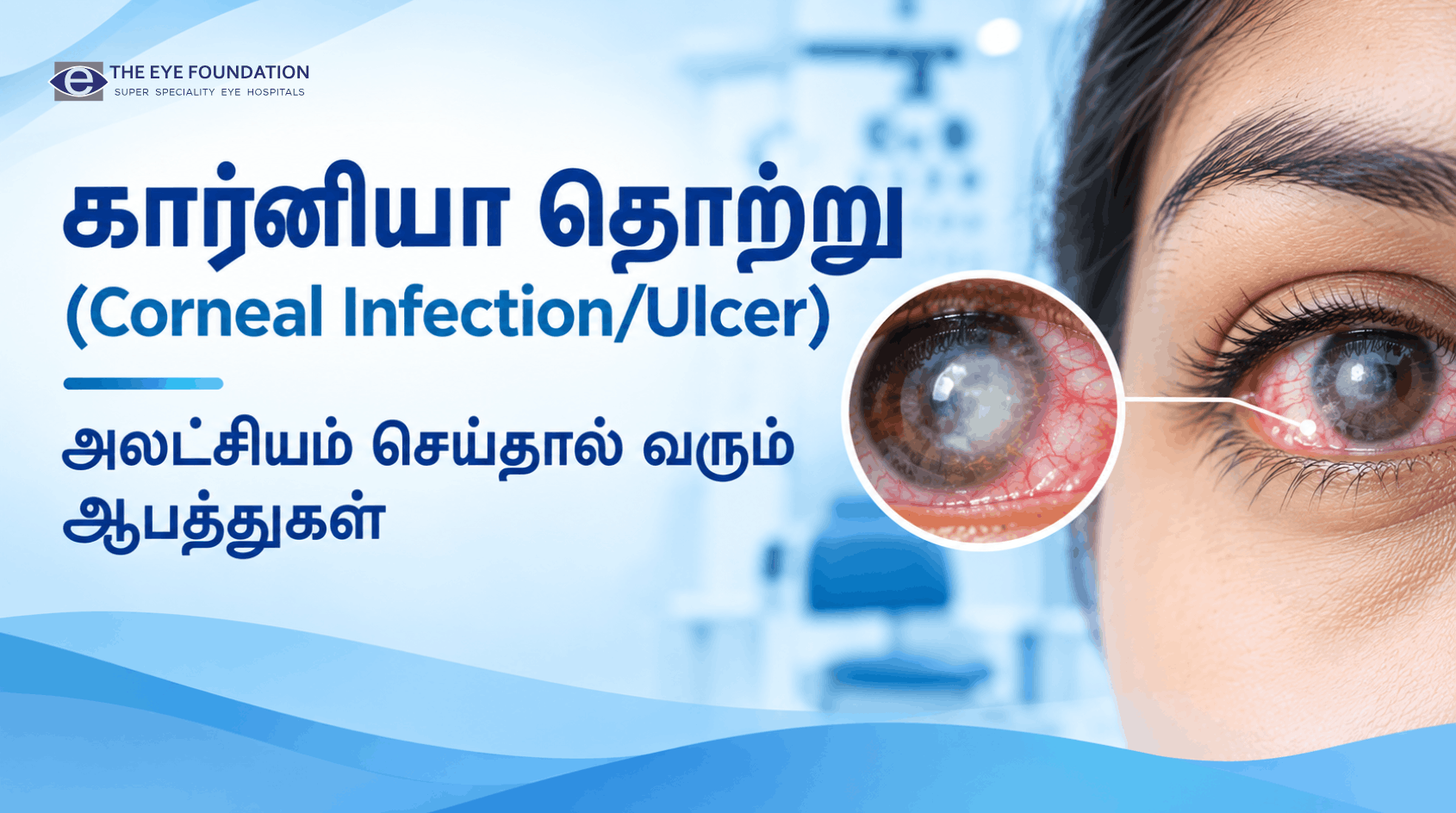
There should not be any scar or damage on the cornea due to past infections or any other reason. Smile Clear Lasik requires corneal integrity which can be compromised by conditions such as keratitis or corneal ulcers. - Active Infections
If an infection is present at the time of the surgery, the surgery must be set aside and the infection cleared first. Smile Clear Lasik should not be done when there is an active infection since this may cause complications. - Chronic Dry Eye Syndrome
Infections may sometimes become recurrent, which may cause chronic dry eye syndrome, which may influence the procedure. Your eye doctor may suggest managing dry eye signs and symptoms before the surgery. - Underlying Conditions
Eye infections that originate from systemic problems like autoimmune diseases must be well evaluated. Certain health conditions and the stability of these conditions will greatly influence whether or not you will be a good candidate for Smile Clear Lasik.
The Importance of a Comprehensive Pre-Surgery Evaluation
At The Eye Foundation, prospective users of Smile Clear Lasik undergo a thorough preliminary examination before the surgery is performed. This assessment includes:
- A detailed questioning of your general health and eye background.
- Specialized investigations to assess the corneal health and other structures within the eye.
- Preoperative management of any lingering impact of previous infections in the patient.
Can Smile Clear Lasik Be Performed After Treating Eye Infections?
If you have had eye infections in the past, you may still be a candidate for Smile Clear Lasik after the infection has been treated and cleared. Some steps to consider include:
- Complete Healing: Make sure that any infection has been cured and eyes have recovered from the effects of the infection.
- Corneal Rehabilitation: In cases where the infections have caused minor scarring or abnormally shaped corneas, further treatment may be advised prior to surgery including corneal collagen cross-linking or particular eye drops.
- Preventive Measures: To avoid future infections, it is advisable to practice good hygiene if one uses contact lenses or has had recurrent eye infections.
Why Choose a Smile Clear Lasik at The Eye Foundation?
At The Eye Foundation we have a team of personnel who are well equipped in performing Lasik technique in correcting eyesight and Smile Clear Lasik is one of them. For the procedure, we offer customized treatment to make sure that the patient’s eyes are in the right state. The most advanced diagnostic equipment and personalized therapy plans help to reduce adverse effects and improve results, including for patients with a history of eye infections.
Book a Consultation
Do you need to know whether a clear lasik will work for you? You can reach us today and book an appointment for a consultation session. The Eye Foundation has assembled a team of highly skilled specialists dedicated to help you get back on the road to good vision.
Benefits of Smile Clear Lasik for Eligible Candidates

Once deemed eligible, patients can enjoy numerous benefits of Smile Clear Lasik, including:
- Minimally Invasive Procedure: Lesser chances of complication than the standard Lasik.
- Faster Recovery Time: Resume normal activities within a shorter time than it takes to recover from the illness.
- Precision and Accuracy: Better visualization with better technology.
Long-Term Results: The ability to do away with glasses or contact lenses for most of the patients.